
Are Luxury Wine Tours Worth It? What You’re Really Paying For
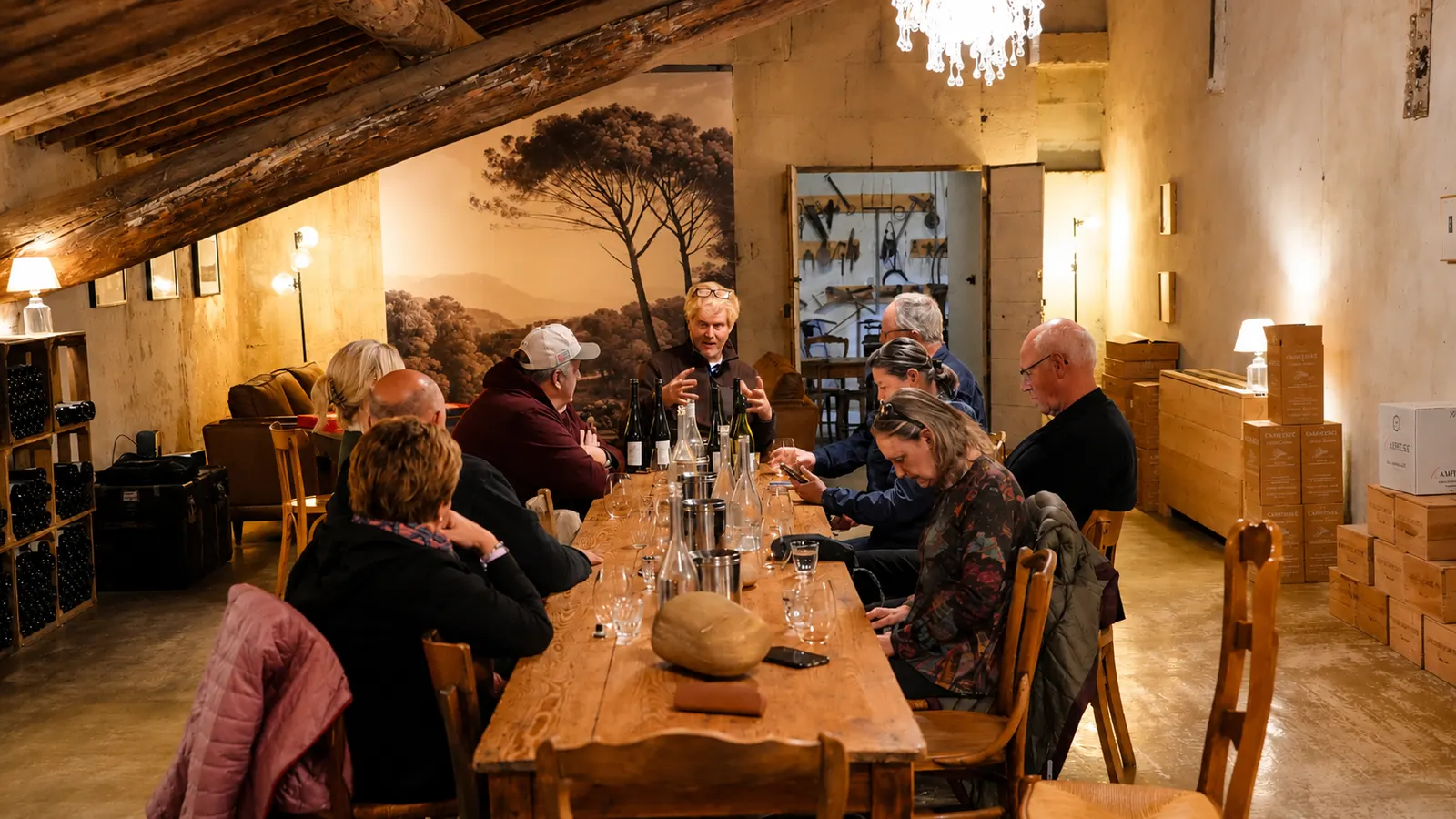
Two wine tours can visit the same country for the same number of days and still be completely different products. That is the truth behind luxury wine tours. The advertised price tells you little until you compare every meal, hotel, host, group size, and winery visit.
I have visited more than 400 wineries across six countries, and I have hosted wine and food trips since 2017. The biggest cost is not always the extra money.
It is the experience you lose by choosing the wrong trip. You can earn more money, but you cannot recover a lost night in Italy.
Are Luxury Wine Tours Worth the Higher Price?
Yes, when the price protects your time and gives you access that a booking site cannot provide. The value sits in the details behind the itinerary.
A lower price can hide excluded dinners, restricted wine, basic hotels, public tastings, and crowded groups. Those gaps change the total cost and the trip itself.
The real question is not, “Why does this tour cost more?” Ask, “What will I give up by paying less?”
A luxury wine tour earns its price when it protects your limited time and replaces tourist access with personal hospitality.
The Advertised Price Is Not the Final Price
Take two eight-night trips as a simple comparison. One costs $5,500 per person, while the other costs $7,500.
Suppose the lower-priced trip includes only five dinners and four lunches. Eight extra meals at $50 to $70 add $400 to $560 per traveler.
For a couple, that adds $800 to $1,120 before wine, coffee, taxis, gratuities, or after-dinner drinks. A $5,500 package then moves close to $7,000.
Compare luxury wine tours by total cost, not headline price. This matters for any traveler reviewing wine vacation packages.
| Cost area | Questions to ask | What a low price often leaves out |
|---|---|---|
| Meals | How many lunches and dinners does the price include? | Six to eight meals per person |
| Drinks | Are wine, coffee, water, and nightcaps covered? | Extra drinks at every meal |
| Transport | Are airport transfers and local rides included? | Taxis, transfers, or optional shuttles |
| Tips | Are driver, guide, and restaurant tips covered? | Cash payments throughout the trip |
| Access | Are tastings standard or hosted by the producer? | Standard tasting-room appointments |
Compare the realistic total cost. A cheaper package can erase most of its price advantage through meals, drinks, transfers, and tips.
What Does All-Inclusive Hospitality Really Cover?
On the first two tours I helped host, another operator allowed one bottle of wine for every four guests. When it was empty, the budget was gone.
I reached into my own pocket and ordered more wine. I knew that was not how I wanted to host people.
Today, I often ask a restaurant to quote the food separately. I choose the wines and keep ordering as the meal moves forward.
At VIP Winery Vacations, hospitality runs from the first coffee to the last nightcap. Guests should not keep reaching for a wallet. That is the difference between an all inclusive wine tour on paper and true all inclusive wine tours in practice.
“All-inclusive” should cover the natural flow of the day, not only the items that fit inside a narrow meal allowance.
A Great Dinner Can Change the Whole Trip
During one northern Italy trip, we dined at Tancredi in Sirmione. The MICHELIN Guide restaurant overlooks Lake Garda.
The experience cost about $250 per person. I chose bottles priced from $80 to $120 based on the food and each guest’s taste.
The meal included tasting courses, fresh sourdough, cultured butter, estate olive oil, and regional wines. The staff watched every detail. One guest gave me the clearest explanation of the value:
“It is not that we could not afford this. We simply would never have booked it on our own.”
That sentence explains what many travelers want from chef-led wine and gastronomy tours. An experienced host helps guests choose experiences they would skip alone.
That is why I wrote about what chef-hosted culinary wine tours mean. Food is not filler between winery visits.
The best included meal is not merely expensive. It is a place, pairing, and level of care that guests would not select on their own.
The Hotel Should Be Part of the Experience
Three-star, four-star, and five-star hotels are not interchangeable. The room, location, breakfast, and staff shape each day.
I have stayed near Lake Lugano and Lucerne in rooms that felt close to youth hostels. The destinations were stunning. The hotels were not.
I have booked last-minute rooms in Italy where I could barely enter the shower. At six feet and about 200 pounds, that detail mattered.
An intimate estate, wine resort, castle, monastery, or family hotel creates a different rhythm. Breakfast feels calm, and the property belongs to the place.
At Adobe Guadalupe in Valle de Guadalupe, our group stays on the winery’s land. Owner Tru Miller joins us in the courtyard.
She brings wine, sits with our guests, and catches up with us. Breakfast the next morning continues the relationship.
This is not a room booked through an app. It is tourism vs hospitality, and guests feel the difference before the first winery visit.
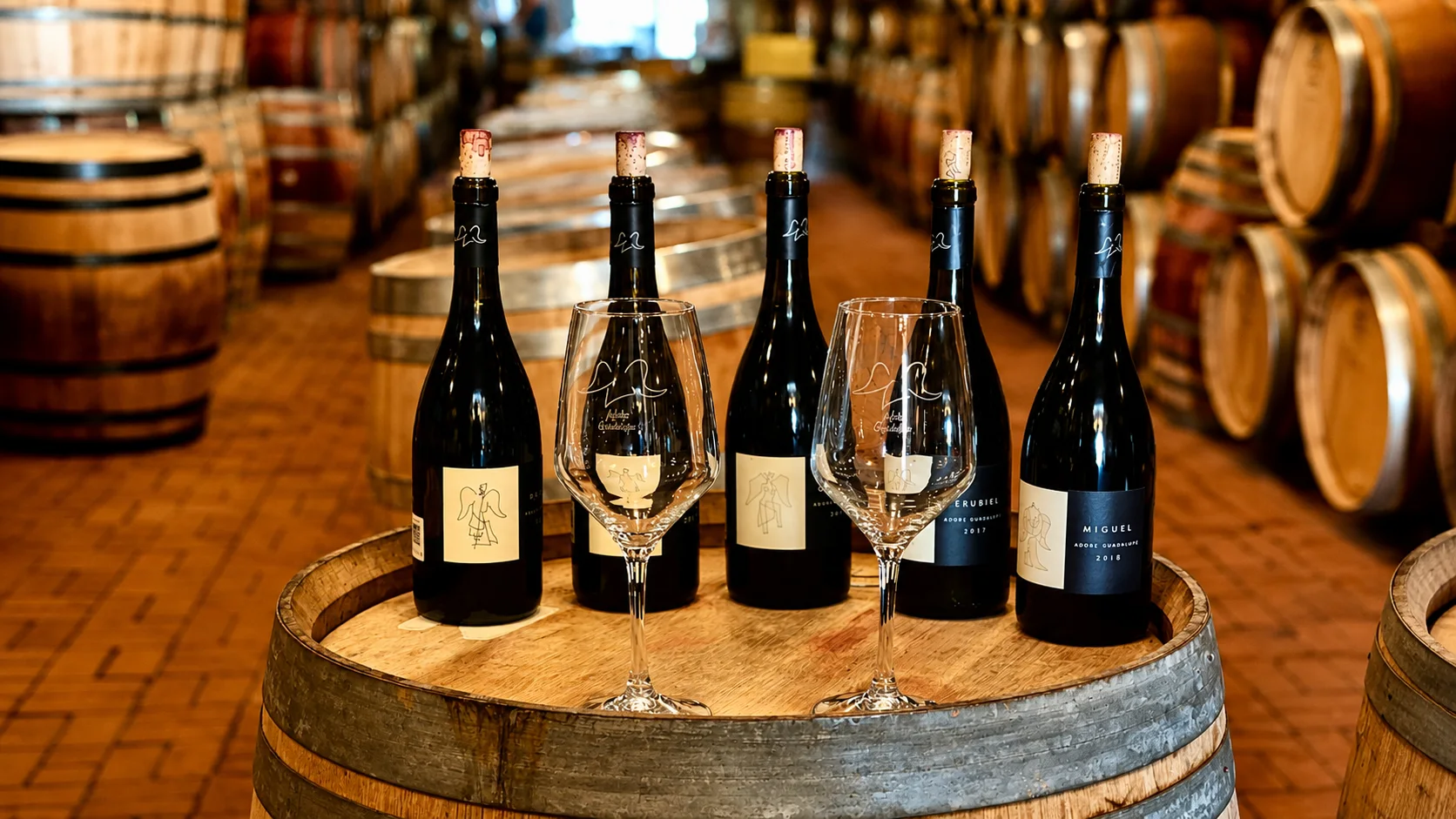
A hotel should deepen the destination. The right property creates time with resident owners that no standard room category can promise.
Why Small Group Wine Tours Create Better Access
A tour capped near 10 guests offers more than comfort. Group size decides which roads, hotels, cellars, and dining rooms can appear on the plan.
Our European trips usually host about 10 guests. With Jamie and me, the full group stays under 14 people.
A group of 30 or 40 needs bus parking, high-capacity tasting rooms, and blocks of matching hotel rooms. Those needs remove smaller producers.
In Priorat, I once reserved six rooms in an 11-room hotel. A big operator could never use that property.
Capacity drives large-tour design. Experience drives small group wine tours.
This same choice shapes wine tasting in Italy. Many serious producers do not run walk-in tourism desks.
Group size is an access decision. Fewer guests open smaller hotels, family tables, narrow roads, and working cellars.
Why Producer Relationships Matter More Than the Itinerary
Our winery visits rarely start with a ticket or a numbered tasting. Owners welcome us with hugs, handshakes, and “Welcome back.”
A planned five-wine tasting often becomes eight bottles. A winemaker often adds a barrel tasting or opens a library vintage.
At Château Camou, we compared rosé before and after filtration. At López de Heredia, we entered the family’s reserve cellar.
These private cellar visits happen because people know us. They trust the work behind our wine importer relationships and restaurant buying.
I have spent decades building ties with independent family wineries. That history turns standard appointments into owner-led tastings.
The same pattern appears in Bardolino wine experiences. Return visits and shared work earn that access.
Anyone can copy a winery address. Trust cannot. Producer relationships decide who welcomes the group and what opens after the planned tasting.
You Can Copy the Itinerary, but Not the Experience
An itinerary is like a chef’s recipe. You can buy the same ingredients and follow each step without producing the same result.
You book the same winery, but you do not know the owner. You arrive at the tourism desk and meet whoever works that day.
Lulú Martínez at Bruma Vinícola once called me during a morning run. A government film shoot had changed her schedule.
She did not assign our group to a guide. She offered to meet at our hotel, arrive early, stay late, or see us after dinner.
I called other winery friends and rebuilt the day. Our guests spent time with Lulú because the relationship carried more weight than the schedule.
A traveler booking alone would never know what changed. The itinerary looks identical while the lived experience stays far apart.
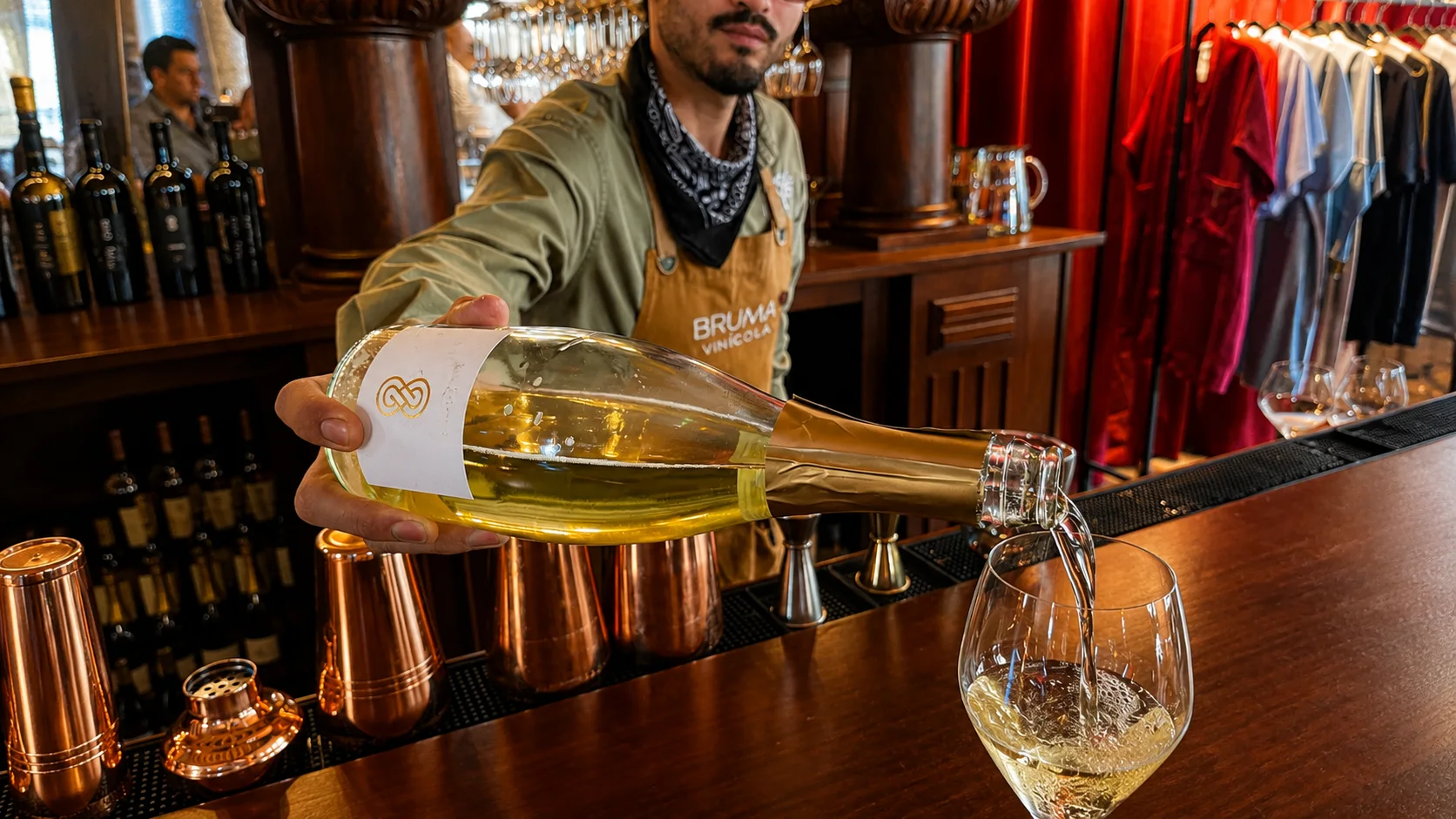
This is the core lesson in the truth about wine vacations. Feeling welcomed is not an itinerary item.
The itinerary lists places. The host’s relationships decide who meets you, what gets poured, and how problems get solved.
Luxury Includes Work Guests Never See
Guests meet us for breakfast at 8:30. Jamie and I have already spent 90 minutes confirming drivers, winery times, dinner reservations, and rooms. Harvest, traffic, or a regional event can force another change.
A winery moves its appointment, dinner starts later, and the driver needs a new pickup point. Guests eat breakfast while we make those calls. They do not spend the morning wondering whether the day is falling apart.
That hidden work is a critical part of private wine tours. Personal hosting means someone owns each problem before it reaches the guest.
Luxury often looks like nothing went wrong. Behind that easy day, the hosts have already rebuilt three moving parts before breakfast.
How to Compare Two Wine Tour Packages
Do not compare two trips by country and night count alone. Use this concrete review before choosing between luxury wine tours and other wine vacation packages.
- Count every included breakfast, lunch, and dinner.
- Confirm whether the package covers wine, water, coffee, beer, and nightcaps.
- Check each hotel’s name, room type, location, bathroom, and view.
- Ask whether winery visits are public, reserved, or hosted by an owner.
- Confirm the guest count and the vehicle used each day.
- Add all excluded meals, tips, transfers, taxis, and optional visits.
- Find out who built the itinerary and who will host the trip.
Travel details affect comfort. My guide to what to wear on a winery tour covers cellars, vineyards, and long dining days.
Compare what happens from breakfast through bedtime. That is where the true price and daily quality become visible.
When Is a Luxury Wine Tour Worth the Money?
It is worth the money when you value time, food, wine, sleep, calm logistics, and time with the people behind a place. Budget tours serve a real purpose. They help more people travel, and they fit travelers who prefer more free time or fewer included meals.
The mistake is assuming two tours in the same region sell the same product. They do not.
Well-designed luxury wine tours give you strong hotels, thoughtful meals, skilled wine choices, and intimate-group access. They give you a host who stays present.
The ultimate luxury is not spending more. It is knowing that you used your limited time well.
Pay more only when the tour can show where the value lives: meals, hotels, access, group size, expert hosting, and protected time.
Frequently Asked Questions
Are luxury wine tours worth it?
They are worth it when the price includes strong hotels, meals, wine, transfers, tips, expert hosts, and direct producer access. The value comes from VIP inclusions and the producer access Marcus brings.
How much can excluded meals add?
Eight meals at $50 to $70 add $400 to $560 per person. A couple can spend $800 to $1,120 before drinks, tips, or taxis.
Can I book the same wineries myself?
You can book many addresses. You cannot book a host’s friendships, introductions, wine knowledge, or ability to solve a schedule change.
Why do fewer guests improve winery visits?
Groups under 14 fit family cellars, intimate hotels, narrow roads, and reserved dining rooms. Large tours need places built for volume.
Does luxury always mean five-star hotels?
No. Luxury can mean privacy, authenticity, or breakfast with a winery owner. A family estate often offers more value than a full-scale resort.
What does VIP Winery Vacations include?
Our trips include meals, selected wines, winery visits, tips, in-region transport, airport transfers, and hosting by Marcus and Jamie. Marcus and Jamie stay with the group and manage each day.
The best tour is the one whose inclusions match your priorities. Ask direct questions before price becomes the deciding factor.
Travel Deeper Than the Itinerary
A wine and food trip should not feel like a stack of reservations. It should feel like entering a circle of people.
Jamie and I visit the producers we buy from. We sit at their tables, stay on their land, and return as friends.
Our guests are not only following us through the door. Producers welcome them because they arrived with Marcus Guiliano and Jamie.
That is what luxury wine tours should buy: well-used time, trusted access, and stories that could not happen on a standard booking. Explore upcoming trips with VIP Winery Vacations and see where the next table is waiting.
The best trip does more than show you a region. It introduces you to the people who make that region worth returning to.
Inspired to travel deeper?
Explore the private wine, food, and producer-led journeys behind the stories on VIP Winery Vacations.
View Valle


