
Catalonia Wine Grapes & Wine Regions: A Complete Guide
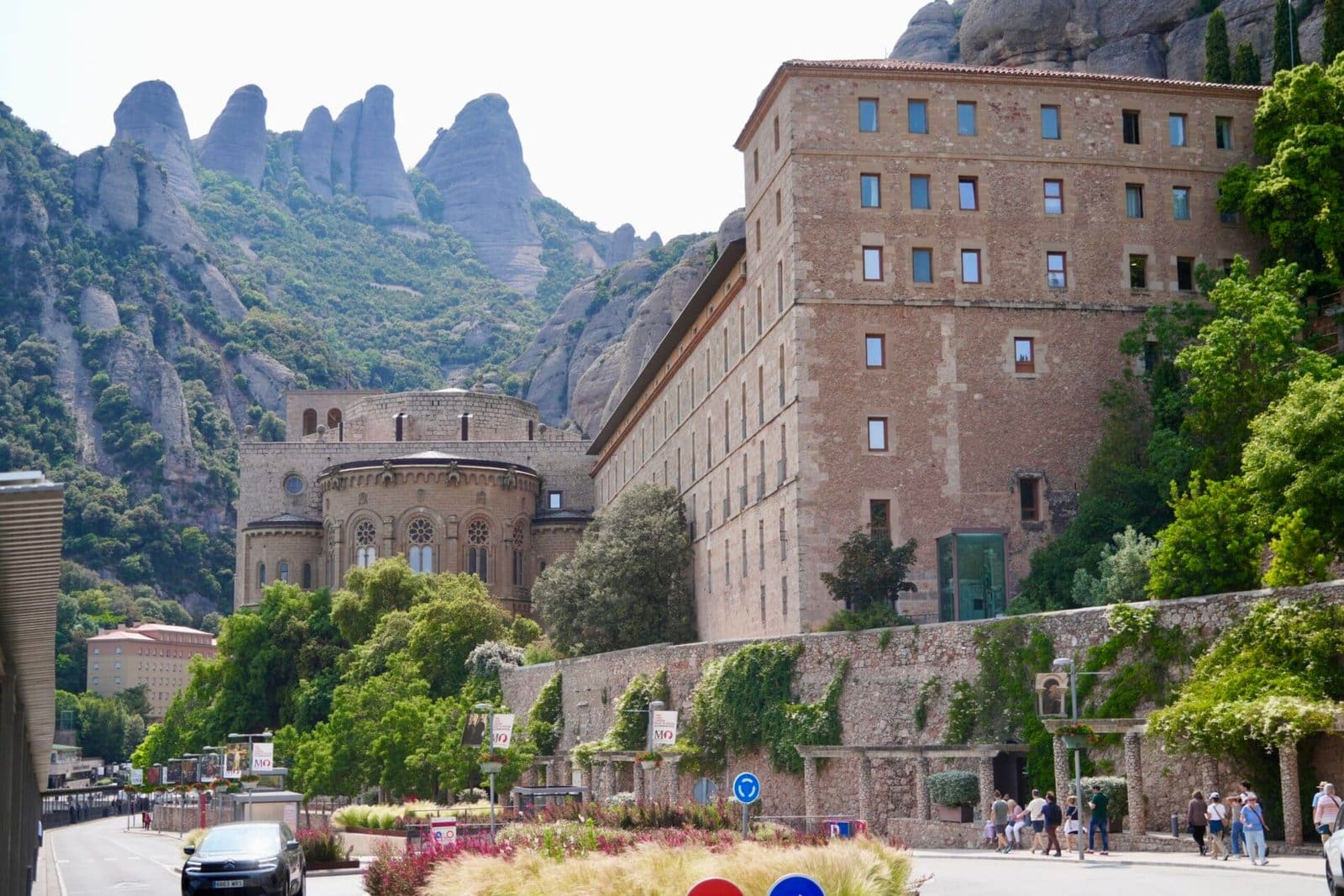
Most wine guides treat Catalonia like a footnote to Rioja. They pour you a Cava, drop one line about Priorat, and move on. After visiting more than 400 vineyards across six countries, I can tell you that is the mistake that costs travelers the most interesting wine region in Spain. The wines of Catalonia reward anyone willing to look past the obvious. Catalonia wine is not one story. It is a dozen of them, told across slate mountains, coastal plains, and high inland hills, in grapes most people have never tasted on their own.
This is a chef’s field guide to Catalonia. Not an encyclopedia. It covers how each grape actually tastes, which regions are worth your days, and the people who make the wine.
Key Takeaways: Catalonia's signature grapes are the whites Xarel·lo, Macabeu, and Parellada (the Cava trio), plus Garnatxa Blanca, and the reds Garnatxa Negra and Cariñena (called Samsó), with Trepat and Sumoll leading a revival of native varieties. The marquee regions are Priorat, Spain's slate-soiled DOQ for powerful old-vine reds, and Penedès, the engine of Cava and Corpinnat sparkling wine, while Montsant, Terra Alta, and Empordà deliver the same character for less money. Across 12 official appellations plus the Corpinnat collective, the real Catalonia is not found in a tasting room with a price list. It is found at the family's table, which is the only way I plan a trip after two decades of building producer relationships.
How to Actually Taste Catalonia
There is a way to read about Catalan wine, and there is a way to taste it in the cellars where it is made. The second way changes you.
Most coverage of Catalonia hands you a checklist. See Priorat. Drink a Cava. Tick the box. I work the other way around. After more than 400 vineyard visits, the thing I trust is not a list of names. It is access to the people who actually farm the slate and press the fruit. The bottle a producer opens because they want you to taste what their grandfather made is never on the price list.
That is the whole philosophy. Access over checklist. A tasting room pours you a flight. A producer’s kitchen table teaches you why the wine tastes the way it does.
The Grapes That Actually Matter
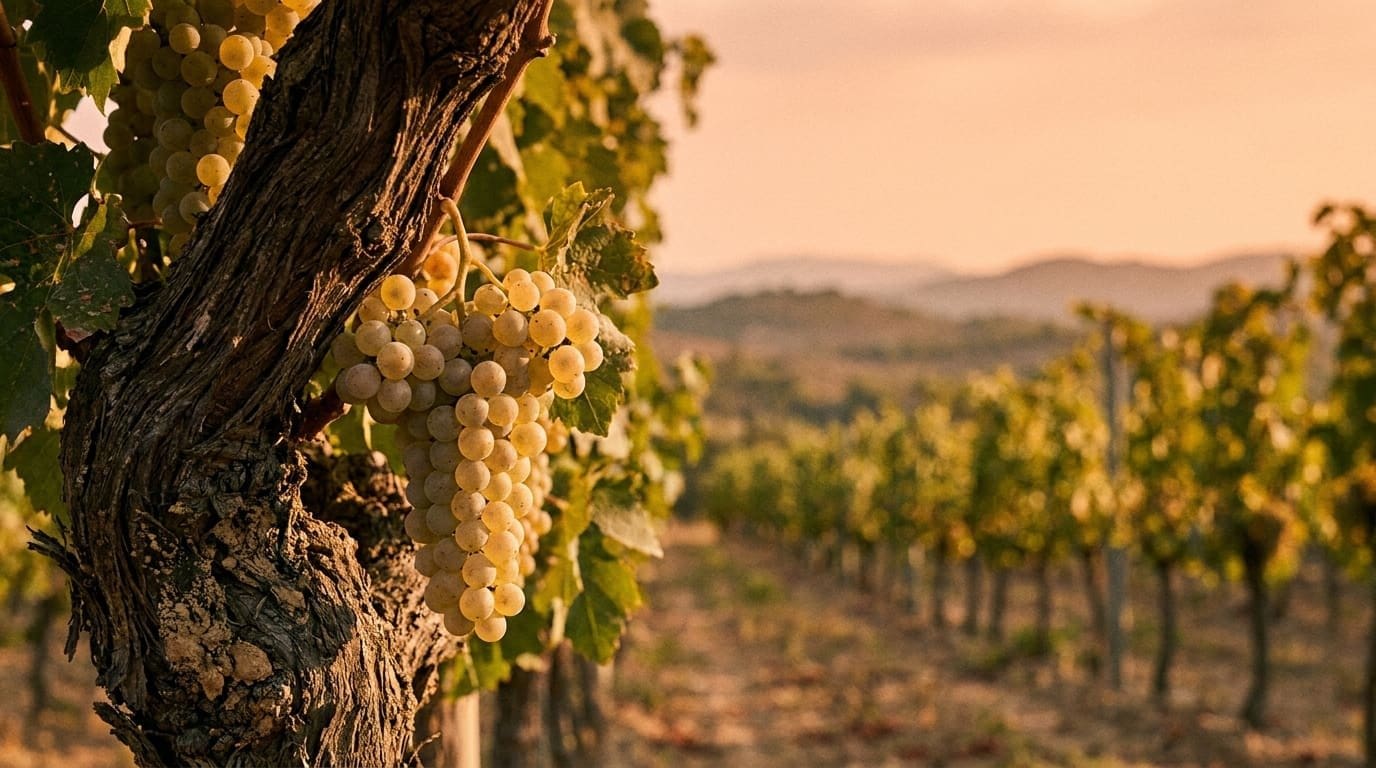
Catalonia wine grapes run to dozens of varieties. A handful carry the region. Learn these Catalan grape varieties by taste, not by botany, and you can read almost any Catalan wine list with confidence.
The White Grapes
The Catalan white wine grapes below anchor the region’s still whites and its sparkling tradition.
Xarel·lo is Catalonia’s signature white and the backbone of its best sparkling wine. High acidity, real structure, and flavors of citrus, fennel, Mediterranean herbs, and wet stone. It is the grape everyone drinks in Cava and almost nobody orders on its own. That is changing. Serious still Xarel·lo now ages as well as many whites at twice the price.
Macabeu (Viura) brings softness and fruit. Green apple, pear, white flowers, and a touch of honey as it matures. It rounds out the sharper edges of Xarel·lo in traditional sparkling blends.
Parellada is the delicate one, often planted at higher elevations. Light bodied, with white flowers, lemon, and bright acidity. It is the lift in a glass of Cava.
Garnatxa Blanca (White Grenache) is the sleeper. Fuller bodied and textured, with stone fruit, pear, fennel, and herbs. Terra Alta makes some of the best examples in all of Spain.
Malvasia de Sitges nearly disappeared before a coastal revival brought it back. Apricot, orange blossom, citrus peel, and a saline snap that tastes like the sea it grows beside.
The Red Grapes
The Catalan red wine grapes here range from mountain-grown structure to warm Mediterranean power.
Garnatxa Negra (Grenache) is the heart of Catalan red wine. Ripe cherry, red berries, dried herbs, and warmth, with softer tannins. It is the lead voice in Priorat and Montsant.
Cariñena (Samsó) is the backbone. Dark fruit, earth, firm acidity, and the structure that lets Priorat age for decades. Old-vine Cariñena is one of the region’s great hidden treasures.
Ull de Llebre is the Catalan name for Tempranillo, and it means eye of the hare. Expect cherry, leather, tobacco, and spice in a balanced frame.
Monastrell thrives in the warmest sites and gives deeply colored wines with black fruit, pepper, and grip.
Sumoll was nearly extinct a generation ago. Growers focused on native grapes brought it back. Bright acidity, wild herbs, fresh red fruit, and a rustic streak that makes it unmistakable.
The Rosé and Revival Grapes
Trepat is one of Catalonia’s most fascinating natives. It used to hide inside rosé Cava. Now producers bottle it as a pale, peppery still red with strawberry, fresh herbs, and a light, elegant build. It is grown almost nowhere else.
Garnatxa Rosada, the pink-skinned mutation of Grenache, makes vibrant rosés full of red berries, florals, and Mediterranean herbs.
Catalonia also works with Chardonnay, Muscat, Cabernet Sauvignon, Merlot, and Syrah. They can make excellent wine. But the soul of the region still belongs to its indigenous grapes.
The Regions Worth Your Days
Catalonia holds twelve official wine appellations plus the Corpinnat collective. Think of this section as your Catalonia wine map. Here is how I rank the best Catalonia wine regions by what they actually give a traveler, starting with the ones worth building a trip around.
Priorat DOQ
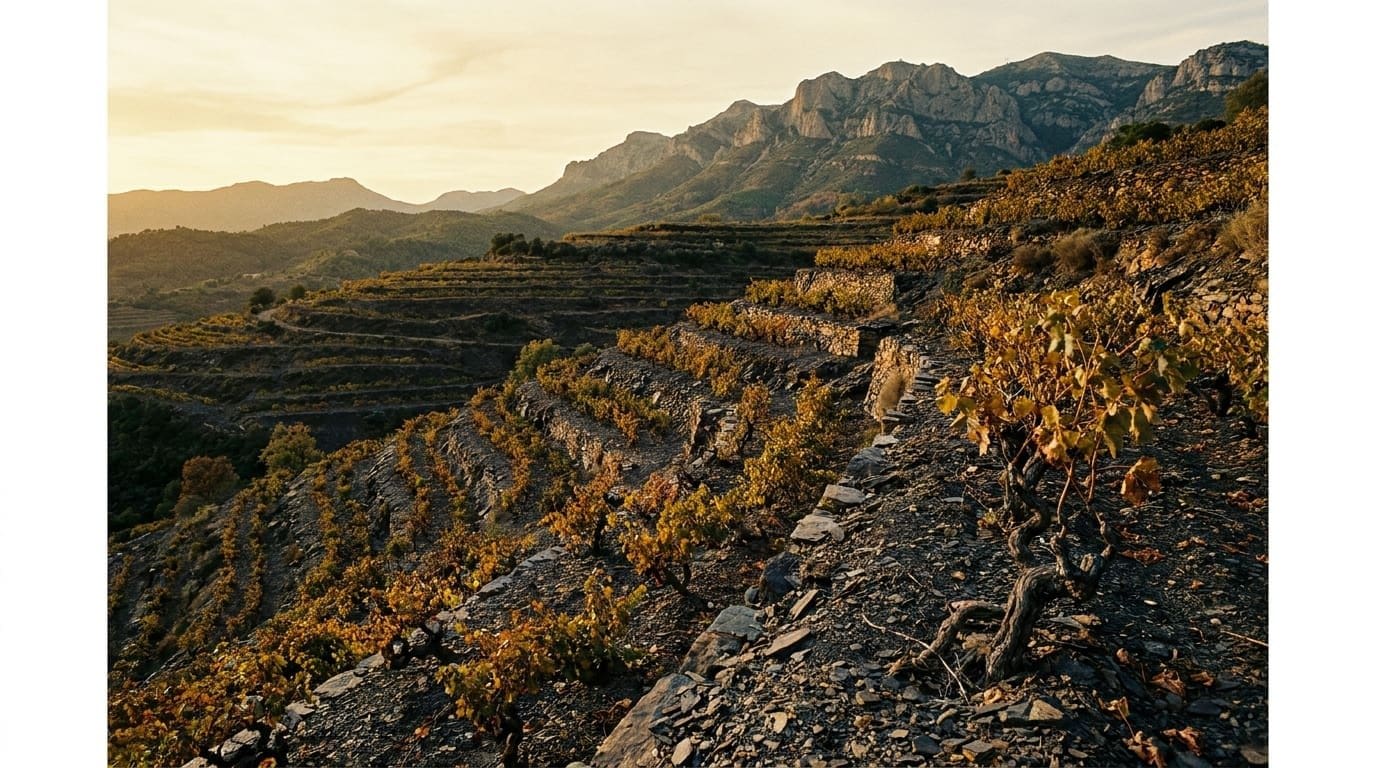
The crown. Priorat is one of only two regions in Spain to hold the top DOQ classification. Its vineyards climb dramatic terraces of black slate called llicorella, and the old-vine Garnatxa and Cariñena grown here make powerful, mineral, age-worthy reds. Priorat wine is what put modern Catalonia on the world map.
Known for: old-vine Garnatxa and Cariñena, llicorella slate, mountain terraces, structured reds.
Montsant DO
Montsant wraps almost entirely around Priorat and grows the same grapes on similar soils. The wines are rich, herb-edged, and a fraction of the price. If Priorat is the headline, Montsant is the value play that locals actually drink.
Known for: Garnatxa, Cariñena, Syrah, rugged hills, serious reds at fair prices.
Penedès DO
The engine room of Catalan wine and the home of its sparkling culture. Penedès sits between Barcelona and Tarragona and grows the Xarel·lo, Macabeu, and Parellada that built Cava. Penedès wine now spans both world-class sparkling and a fast-growing scene of still bottles.
Known for: Xarel·lo, Macabeu, Parellada, Cava and Corpinnat, modern still wines.
Cava DO
Cava is Spain’s traditional-method sparkling wine, made the same way as Champagne, and its historic heart beats in Penedès. The designation now spans several parts of Spain, but Catalonia remains its center of gravity.
Known for: the Xarel·lo, Macabeu, Parellada trio, long lees aging, traditional-method bubbles.
Corpinnat
Corpinnat is not a DO. It is an elite collective of growers who broke away to demand higher standards: estate fruit, organic farming, hand harvest, and long aging. If you want to understand where premium Catalan sparkling is going, start here.
Known for: organic estate vineyards, extended aging, premium sparkling wine.
Empordà DO
Tucked against the French border and the Mediterranean, Empordà is shaped by the fierce Tramuntana wind and salt air. The reds are fresh, the whites are saline, and the region has the easy charm of the Costa Brava behind it.
Known for: Garnatxa, Cariñena, coastal freshness, garnatxa-based sweet wines.
Terra Alta DO
High, remote, and the most important home for Garnatxa Blanca in Spain. The textured whites here are some of the best value in the country, and the landscape feels untouched.
Known for: Garnatxa Blanca, textured whites, mountain vineyards.
Conca de Barberà DO
A cool inland region and the home of Trepat. Best known historically for sparkling base wine, it is now where you find the pale, peppery still Trepat that wine geeks chase.
Known for: Trepat, rosé and sparkling base, lighter reds.
Costers del Segre DO
A large, scattered inland region of varied elevations and climates. It is where some of Catalonia’s most ambitious modern estates work, with both native and international grapes.
Known for: Cabernet Sauvignon, Syrah, native varieties, modern estate wines.
Alella DO
Tiny and clinging to the hills just north of Barcelona. Alella grows Pansa Blanca (the local name for Xarel·lo) on sandy granite soils called sauló, giving mineral, sea-breeze whites. It is the easiest serious wine region to reach from the city.
Known for: Pansa Blanca, minerality, coastal whites, proximity to Barcelona.
Pla de Bages DO
A small inland region in a quiet renaissance, with a focus on the native white Picapoll and on reviving old vineyards. Worth the detour for the curious.
Known for: Picapoll, native varieties, revival energy.
Tarragona DO
An ancient Roman wine region with roots that run two thousand years deep. Today it spans a broad range, from Mediterranean reds to its historic sweet and fortified wines.
Known for: sweet and fortified wines, Mediterranean reds, deep history.
Catalunya DO
The broad, region-wide designation that spans all of Catalonia. It gives producers flexibility to blend across zones, which makes it the most variable category on this list.
Known for: flexibility, blends of indigenous and international grapes.
Where Catalonia Fits Among Spanish Wine Regions
When people picture Spanish wine regions, they think of Rioja first and stop. That is the gap Catalonia wine fills. While Rioja built its name on Tempranillo and American oak, Catalonia went the other direction, toward native grapes, Mediterranean climate, and a sparkling tradition that rivals Champagne in method if not yet in fame.
What makes Catalonia distinct is range. Few corners of Spain pack this much variety into one drive. In a single trip you can taste slate-grown reds in Priorat, traditional-method sparkling in Penedès, saline coastal whites in Alella, and high-country Garnatxa Blanca in Terra Alta. Catalonia is not Spain’s most famous wine region. It is its most complete.
Planning Your Visit: Tasting Near Barcelona and Beyond
Barcelona is the gateway for Catalonia wine tasting, and you can taste seriously without leaving its orbit. Alella sits twenty minutes north of the city. Penedès is under an hour southwest, which makes it the natural base for Cava and still wine. Priorat and Montsant are a deeper drive inland, roughly two hours, and they reward the effort with the most dramatic landscapes in Catalan wine.
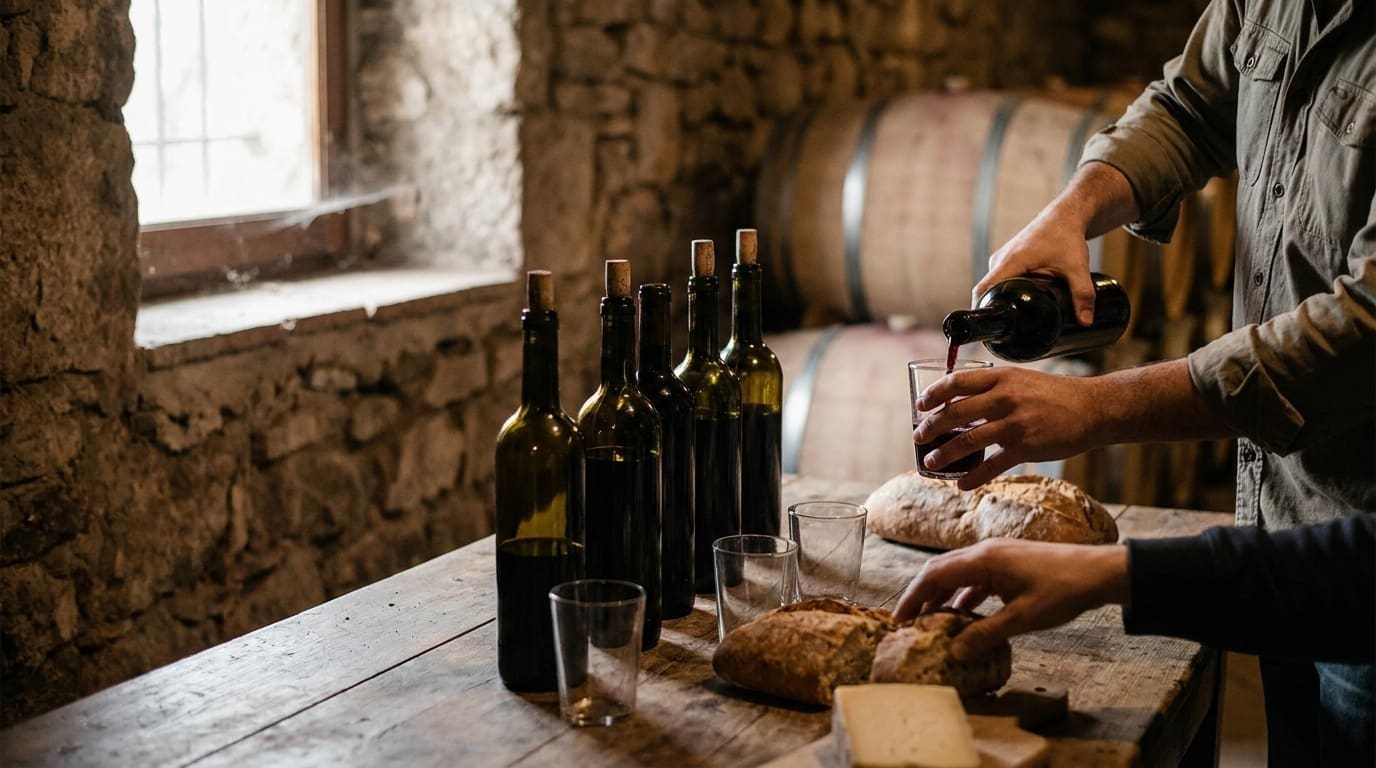
Visiting a Catalan winery is not visiting Napa. The best producers do not run a tasting room with a card reader. There is a family, a cellar, and a person who would rather walk you through the vineyard than pour you a flight. The great visits happen when they are arranged in advance through someone the producer already trusts, outside of harvest, with the understanding that the conversation matters more than the score sheet. That is the gap between standard Catalonia wine tours and the kind of luxury wine tours Spain does best, where access sets the day.
Quick Reference: Grapes and Regions at a Glance
| Region | Type | Signature grapes | Drink it for |
|---|---|---|---|
| Priorat DOQ | Top tier reds | Garnatxa Negra, Cariñena | Power, slate minerality, age |
| Montsant DO | Value reds | Garnatxa, Cariñena, Syrah | Priorat character for less |
| Penedès DO | Sparkling and still | Xarel·lo, Macabeu, Parellada | Cava country and modern whites |
| Cava DO | Sparkling | Xarel·lo, Macabeu, Parellada | Traditional-method bubbles |
| Corpinnat | Premium sparkling | Xarel·lo and estate whites | Top-tier organic sparkling |
| Empordà DO | Coastal reds and whites | Garnatxa, Cariñena | Sea air and freshness |
| Terra Alta DO | Whites | Garnatxa Blanca | Spain’s best value whites |
| Conca de Barberà DO | Light reds | Trepat | Pale, peppery rarity |
| Costers del Segre DO | Modern estate | Cabernet, Syrah, natives | Ambitious modern wines |
| Alella DO | Coastal whites | Pansa Blanca (Xarel·lo) | Easy day trip from Barcelona |
| Pla de Bages DO | Native revival | Picapoll | Off-the-radar discovery |
| Tarragona DO | Sweet and reds | Garnatxa, Mediterranean reds | History and sweet wines |
| Catalunya DO | Region-wide | Indigenous and international | Flexible cross-zone blends |
Catalonia Wine: Your Questions, Answered
What wine is Catalonia known for?
Catalonia is best known for two things: Cava, the traditional-method sparkling wine centered in Penedès, and the powerful old-vine reds of Priorat. Between them sit a dozen more regions making everything from saline coastal whites to peppery light reds.
What are the main grapes in Catalan wine?
The core whites are Xarel·lo, Macabeu, and Parellada, the three grapes behind Cava, plus Garnatxa Blanca. The core reds are Garnatxa Negra and Cariñena, known locally as Samsó, with Trepat and Sumoll leading a native-grape revival.
Is Priorat or Penedès better to visit for wine?
It depends on what you want. Penedès is closer to Barcelona and best for sparkling wine and an easy base. Priorat is a deeper drive but delivers the most dramatic landscapes and the most age-worthy reds. With three or more days, do both.
Where should I go wine tasting near Barcelona?
Alella is the closest serious region, about twenty minutes north of the city. Penedès is under an hour southwest and offers the most options for Cava and still wine in a single day.
What is the difference between Cava and Champagne?
Both are made by the traditional method, with a second fermentation in the bottle. The difference is place and grape. Cava is mostly Spanish, built on Xarel·lo, Macabeu, and Parellada, and generally costs far less than Champagne for comparable quality.
Which Catalonia wine region is best for a first-timer?
Penedès. It is close to Barcelona, easy to navigate, and lets you taste both sparkling and still wine without a long drive. From there, Priorat is the natural next step.
What red grape is Priorat famous for?
Old-vine Garnatxa Negra and Cariñena, grown on the black slate soil called llicorella. These two grapes give Priorat its power, minerality, and ability to age.
Can you do a Catalonia wine trip without a car?
You can reach Penedès and Alella by train from Barcelona, and many producers can arrange transfers. For Priorat, Montsant, and Terra Alta, a private driver or a guided trip is the practical way to taste at the best small estates.
How many wine regions does Catalonia have?
Catalonia has twelve official appellations, eleven DOs plus the Priorat DOQ, along with the private Corpinnat collective, which gives the thirteen regions covered in this guide.
What is a hidden-gem Catalan wine most people miss?
Still Xarel·lo and old-vine Cariñena are the insider picks, along with Garnatxa Blanca from Terra Alta and pale, peppery Trepat from Conca de Barberà. None of them get the attention they deserve.
The Bottom Line
Most travelers come to Catalonia for Cava and a day in Priorat, and that is a fine trip. It is not the full one. The full one is tasting still Xarel·lo before the rest of the world catches on, drinking old-vine Cariñena on the slate where it grew, and sitting at a producer’s table with a bottle that was never meant for sale.
Catalonia is not the loudest wine region in Spain. It is the most complete. If you taste it the right way, with the people who make it, it does not just fill a glass. It changes how you see the whole country.
About the Author. Chef Marcus Guiliano is the chef-owner of Aroma Thyme Bistro in New York's Hudson Valley, co-founder of VIP Winery Vacations, and a Michelin three-star trained chef who has visited more than 400 vineyards across six countries. He plans private wine journeys built on direct producer relationships, not tasting-room scripts.
Inspired to travel deeper?
Explore the private wine, food, and producer-led journeys behind the stories on VIP Winery Vacations.
View Valle


