Why I Buy from Valle de Guadalupe Wine Producers
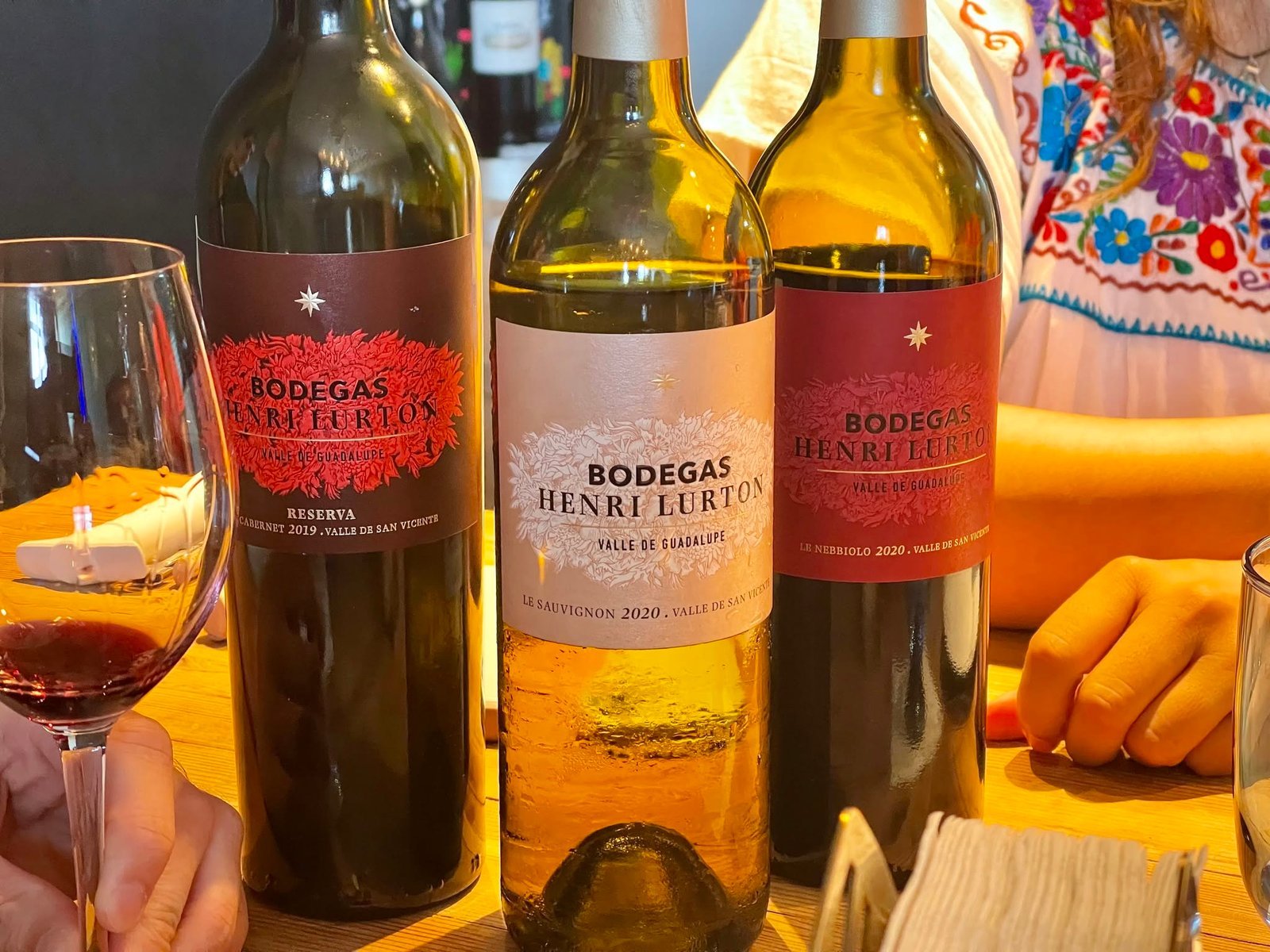
I visit Valle de Guadalupe wine producers whose wines I believe in enough to buy, pour, and serve. That might sound like a small distinction, but it changes the way I recommend a winery. A beautiful tasting room can make almost any glass feel special. A bottle that still earns a place at my table, back home in New York, has passed a harder test.
When I bring guests to Mexico’s wine country, I do not want our relationship with a producer to begin and end with a tour reservation. I want to know the person behind the bottle, understand the wine with food, and support the people making it beyond the day we visit.
It is not a rule that every winery must sell me a case or that every great visit requires a personal friendship. I am looking for a combination of quality, genuine hospitality, and a reason to care about the wine once the vacation is over.
Key Takeaway: I trust a winery recommendation more when the person making it has bought the wine, tasted it outside the tasting room, and been willing to serve it to other people. Great hospitality matters, but the bottle has to stand on its own—and supporting the producer should last longer than a reservation.
Why does buying a winemaker’s wine make a winery recommendation more trustworthy?
Because buying the wine gives me something personal at stake. I am not simply repeating tasting notes from a winery’s website or recommending whoever had an open appointment. I am choosing to spend money on a bottle, put it in front of my guests, and stand behind that choice when the scenery and sales pitch are gone.
That is the idea behind my approach to Mexican wine producers. When I recommend someone, I want to be able to say more than “The property was gorgeous.” I want to know whether I would buy the wine again, whether it works with dinner, and whether I can explain why it belongs on a serious wine list.
I have spent years working with wine in restaurants. You learn quickly that a winery’s story can open a conversation, but it cannot rescue a wine that does not deliver in the glass. The same standard should apply when I organize wine travel.
Buying a bottle is not proof that someone is unbiased, of course. People have preferences, friendships, and businesses to run. It does mean I have made a tangible choice that guests can question. I welcome that. Ask me what I poured, why I liked it, and whether I would choose it again.
The Real Test Happens Away From the Tasting Room
Picture a sunny afternoon in Valle de Guadalupe. You have a beautiful view, a charming host, and a carefully arranged tasting flight. Everything about that moment adds to the pleasure. There is nothing wrong with enjoying it.
But now take away the view. Open the same bottle on a cold evening in New York, with dinner on the table and no vineyard outside the window. Does the wine still interest you? Does it improve the meal? Would you want another glass or choose that producer for a future dinner?
Those questions help me separate a memorable vacation from a wine I genuinely believe in. For me, the glass has to work in both places.
I also pay attention to how Valle de Guadalupe wine producers work across vintages, not just one carefully presented tasting. Wine changes with the growing season, the blend, and the decisions made in the cellar. A good conversation with the winemaker can explain those changes, but tasting thoughtfully is still essential.
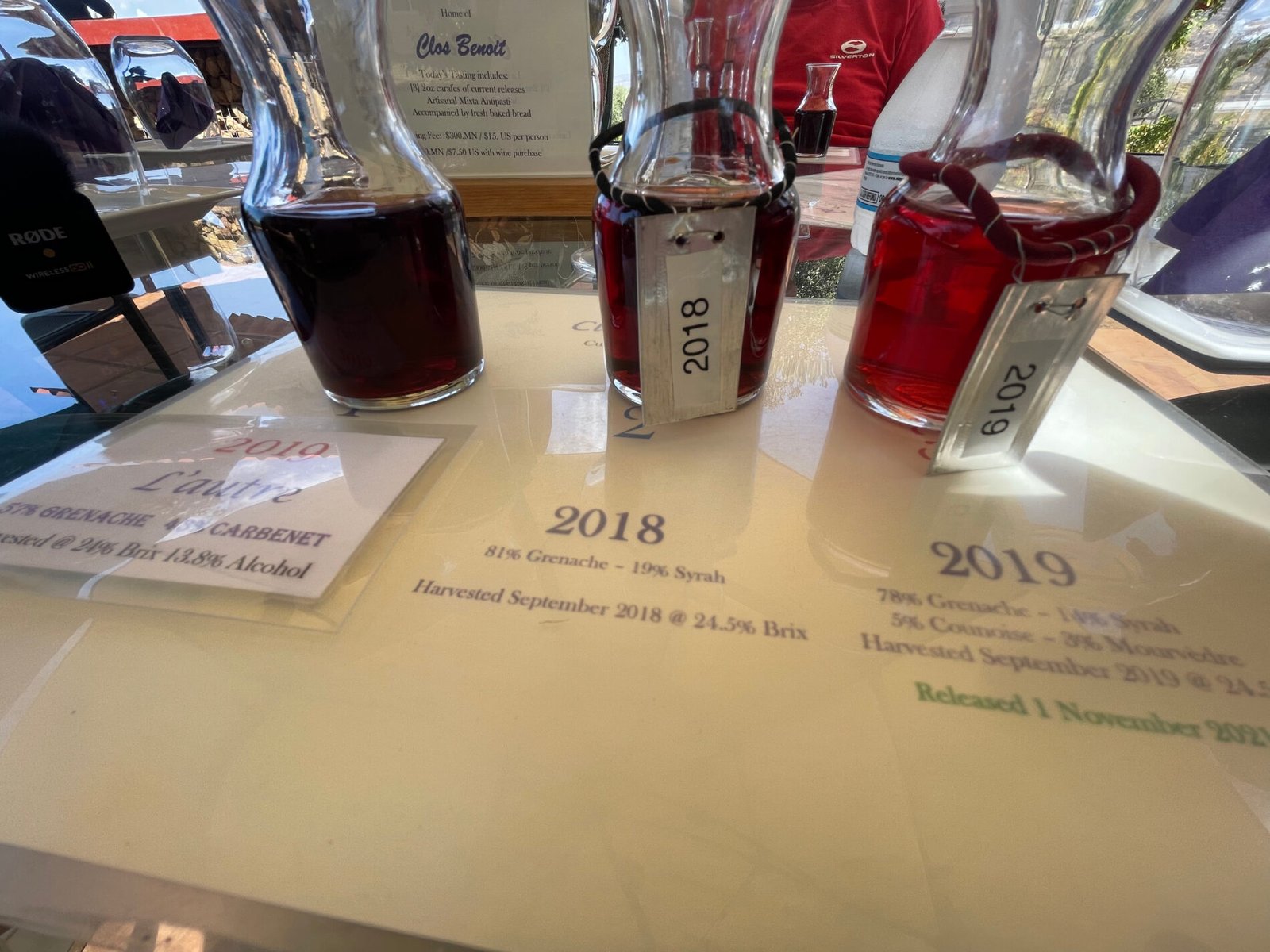
That is why an experience such as tasting different vintages at a small producer matters to me. Comparing glasses side by side shows how wine evolves. It gives us something more useful to talk about than a score or a label. The goal is to understand the decisions behind the wine, not to collect the greatest number of tasting appointments.
My Restaurant Is Another Test of the Wine
I have poured Mexican wine at my restaurant, including Sauvignon Blanc by the glass. Some customers have never considered ordering a wine from Mexico. Seeing that surprise turn into interest is one of the most rewarding parts of the work.
Yet I do not pour a bottle simply to surprise people. It has to deserve its place. I want to know what happens with food, whether a guest understands the wine after tasting it, and how it compares with the other bottles I could have chosen.
A restaurant gives you feedback a winery tasting may not. A guest might love a wine with a particular dish but find it less compelling on its own. Another bottle may need a little explanation before someone understands the grape or region. Those reactions are useful when I go back to Valle.
For a chef, wine and food pairing is not a decorative part of a trip. It is the point where a bottle becomes part of hospitality. That is why I think about Mexican wine at the table, not only beside the vines.
I ask myself a few practical questions whenever I consider a new wine for service:
- Does its flavor and structure make sense with the food?
- Would I be comfortable pouring it for someone who knows nothing about the producer?
- Can I explain what makes it interesting without reciting marketing language?
- Would I choose it again after the first excitement wears off?
If I cannot answer those questions, I need to learn more. A great winery visit can begin that work, but it does not finish it.
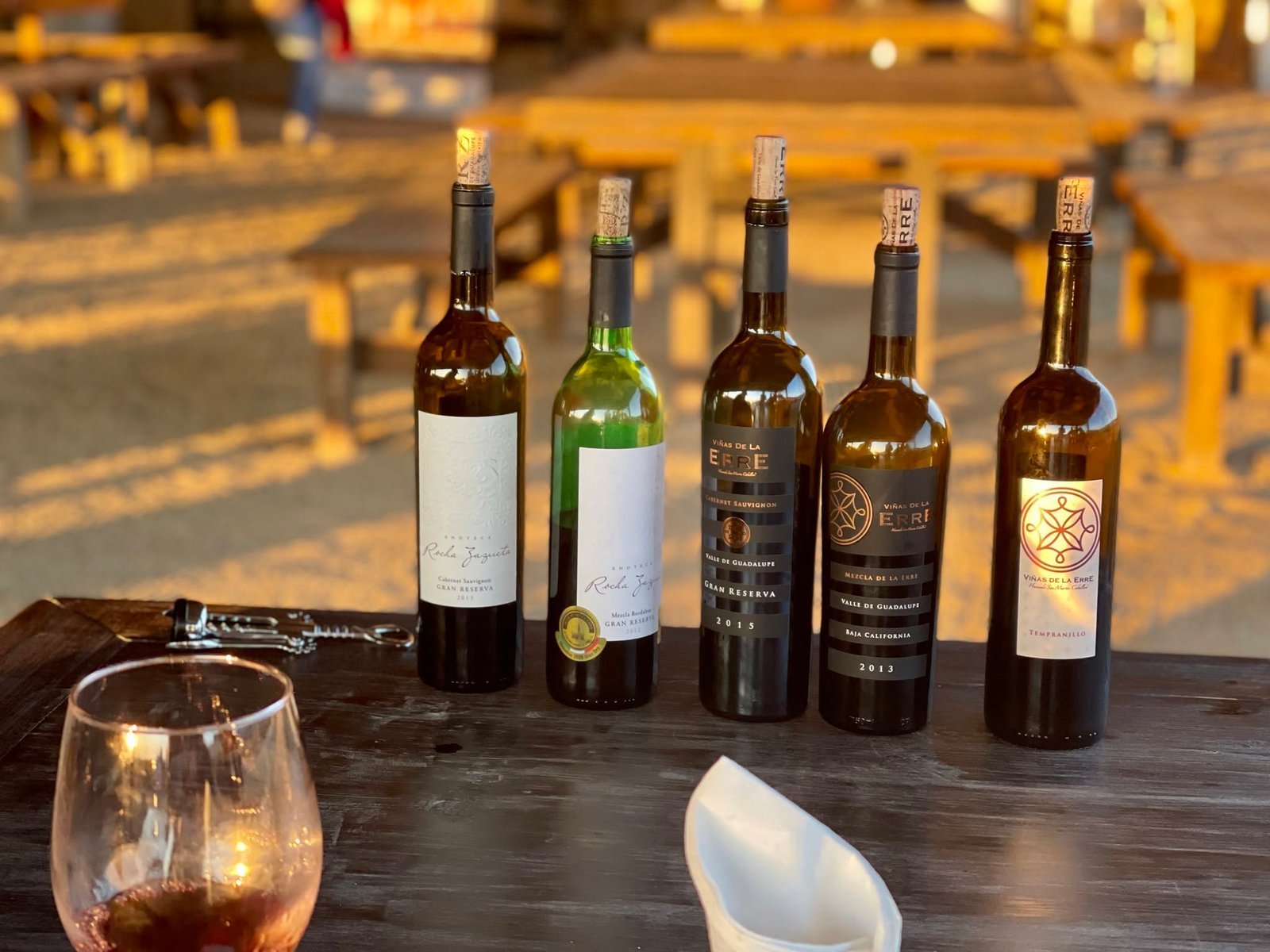
A lineup such as this tasting selection from Viñas de la Erre makes an easy starting point for comparing styles, vintages, and winemaking choices. It is still the taste of the wine—with food and away from the moment—that matters most to me.
Supporting Small Producers Should Mean More Than Showing Up
Wine tourism can bring valuable attention to a region. Visitors taste, take photographs, have lunch, and tell friends where they went. I love seeing people discover Valle de Guadalupe that way. But a producer needs more than one successful afternoon.
Small wineries work on a different scale from large operations. Their production, staffing, and distribution choices can be more limited, and personal relationships often play a bigger role. Every producer’s business is different, so I do not want to reduce this to a made-up bottle count or claim that every purchase has the same financial impact.
What I can say is that I prefer support that continues. I pay attention to the wines, talk about the region when it is relevant, and introduce bottles to people who might not otherwise think of Mexican wine.
Clos Benoit is one example I have talked about in my travels. The experience is personal and centered on the people making the wine. That intimacy matters, but so does the quality in the glass. I do not want a guest to remember only that the producer was friendly.
This also explains why I am drawn to small wineries in Valle de Guadalupe and to producers whose stories do not fit neatly into a standard tourism package. You are not always walking into a big tasting-room operation. Sometimes you are meeting the people whose work you are trying to understand.
My goal is not to turn every small producer into a tourist attraction. It is to respect the scale at which they work and recommend an experience only when it fits both the winery and the people visiting.
The Relationship Continues When I Go Home
One of my favorite parts of working with Mexican wine has happened far from Baja. I have hosted Mexican winemakers and wine representatives in New York, bringing food, wine, and people together around a table.
I have also taken Hudson Valley Cabernet Franc to share with Mexican winemakers. That may seem like a small gesture, but to me it makes sense. If someone opens the door to their wine region, I want to show them something from mine. Wine travel should be an exchange.
That changes the next visit. Instead of introducing ourselves all over again, we might talk about a new vintage, a difficult growing season, a restaurant pairing, or a wine we tried together last time. The relationship moves forward.
I think about Bruma, Adobe Guadalupe, Casa Magoni, and the smaller producers I have visited in Valle. They offer different wines, histories, people, and ways of welcoming guests. The value is not that their names fill a famous-winery checklist. The value is having a reason to understand each producer on its own terms.
A relationship also has limits. Knowing someone does not entitle me to interrupt harvest, expect a private tasting at any hour, or promise my guests an experience the winery has not agreed to provide. Good hospitality goes both ways, and respecting a producer’s work is part of that.
Friendship Does Not Replace Standards
I can like a winemaker and still decide that a particular wine does not fit my restaurant or a guest’s interests. Those are separate judgments, and keeping them separate is important.
The people matter. The story matters. History, architecture, and a long conversation over lunch can make a visit unforgettable. Yet none of those things automatically makes every bottle excellent or every winery right for every traveler.
I also do not build a recommendation around who might offer a commission. A commercial arrangement can be legitimate when it is transparent, but the guest’s experience must lead the decision. If I recommend a producer, I should be able to explain the reason in plain language: quality, personality, education, food, or a perspective that adds something meaningful to the day.
For example, Casa de Piedra can be interesting for its wine and approach; Bruma combines wine with a distinctive sense of place; and Casa Magoni offers a chance to think about grapes and experimentation. Those are different reasons to visit, not a declaration that one is the “best” for everyone.
The strongest recommendation is specific. It fits the wine, the producer, and the guest. That approach is also why I avoid repeating an identical winery itinerary for every group.
How can wine travelers support small producers in Valle de Guadalupe beyond a tasting appointment?
Start by taking a sincere interest in the people and the wine, not just the appointment. Ask what the producer is working on, listen to the answers, share thoughtful feedback, and follow their work after the trip. Where buying wine directly from wineries is lawful and practical, choosing a bottle you genuinely value can be one form of support—but attention, respect, and word of mouth matter too.
If a winery has limited space or prefers advance notice, honor that. Small producers should not be forced to operate like large tasting-room businesses to accommodate a visitor’s schedule. A good guest respects the vineyard, the staff, and the time that goes into the wine.
You can also tell a more useful story when you get home. Instead of saying only that the scenery was beautiful, explain what you learned about the vineyard, the grape, or the person making the wine. If someone in your circle asks about boutique wineries in Valle de Guadalupe, your recommendation will have substance.
Be thoughtful about travel and customs requirements. Rules governing alcohol purchases, transportation, importation, and declaration can vary, and they can change. Check the current official requirements for your route rather than assuming a general travel article is sufficient legal advice.
Most important, remember that supporting a producer does not mean praising every wine uncritically. Honest appreciation is more valuable than automatic enthusiasm. I would rather someone understand one winery deeply than rush through a dozen and remember only the photographs.
How I Decide Whether a Producer Belongs in a Journey
The wines have to be good, but I look beyond the tasting notes. I ask whether the visit adds a distinctive perspective and whether the winery is comfortable welcoming the particular group. A small cellar might be perfect for a few curious travelers but wrong for a large party.
I consider the people who will host us, the geography of the day, the meal we have planned, and whether one stop will feel different from the next. A successful trip should have a rhythm. It should not become an endless cycle of tasting flights and driving.
When people compare Valle de Guadalupe wineries, it is natural to begin with familiar names. I begin by asking what the wine and the people will add to the day.
For a deeper look at the travel side of that decision, I have written about how I choose Valle wineries for different travelers. That guide helps match wineries to different interests. Here, I want to emphasize what happens before and after the visit: knowing the wine, supporting the people, and having a reason to stand behind my recommendation.
If you are comparing a few producers, ask what the visit will teach you. Will you learn about a vineyard or vintage? Will you meet people involved in the work? Will you understand how the wine fits with food? There is no need to seek exclusive access as a trophy. A thoughtful, well-hosted tasting can be excellent in its own right.
Make Room for the People Behind the Wine
A meaningful Valle de Guadalupe trip takes time. A hurried schedule leaves little space for conversations, a meal, or a change of plans when a producer has something interesting to share. If you are planning a first visit, start with how many days you need in Valle de Guadalupe rather than deciding how many tasting rooms you can fit into a day.
Our chef-led Valle de Guadalupe wine and gastronomy experience is built around food, wine, and the people who make both. The exact visits depend on the journey and each producer’s availability; I would never want to promise a private meeting that has not been arranged.
If you want a trip shaped around your own interests, you can plan a private winery journey with us. What matters to me is not filling a day with recognizable names. It is making room for wines we believe in, people worth listening to, and experiences that still mean something when you are back home.
That is why I keep returning to Valle. I want the bottle to be worth opening after the trip—and the relationship to be worth keeping.
Inspired to travel deeper?
Explore the private wine, food, and producer-led journeys behind the stories on VIP Winery Vacations.
View Valle