
What Is Mozzarella di Bufala and Why It Matters in Campania
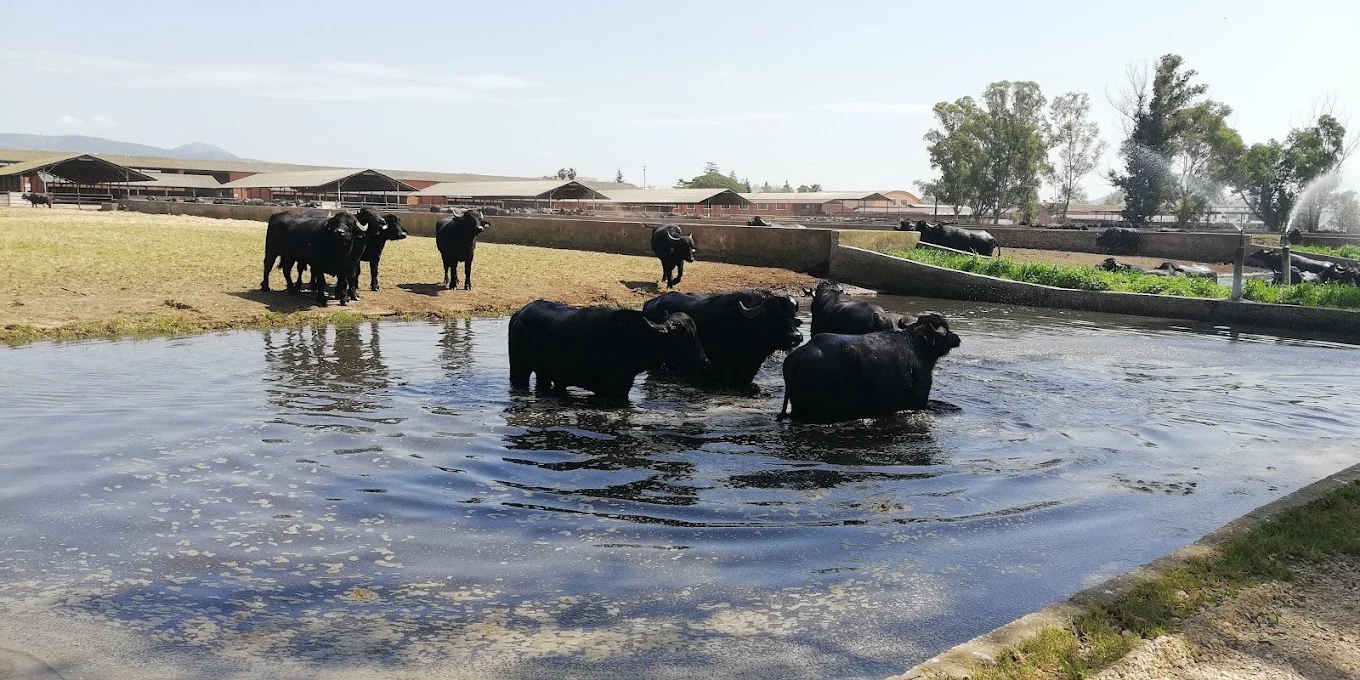
By Chef Marcus Guiliano | Chef on a Mission
What is mozzarella di bufala? I have served authentic buffalo mozzarella at Aroma Thyme Bistro since 2004. Two decades of buying and tasting it taught me how quickly quality changes. Campania changed that lesson.
That visit now shapes our Campania wine and gastronomy journey. Tasting imported cheese in America is valuable. Eating warm mozzarella near the buffalo offers another experience.
The Bite That Changed How I Served Mozzarella
Key Takeaway: Fresh mozzarella needs careful handling and restraint, not layers of garnish.
Jamie and I visited a small dairy in northern Campania. Workers stretched hot curd by hand while fresh mozzarella moved through its preserving liquid. Someone sliced a warm ball and added salt. No sauce, herb or garnish touched the plate at that northern Campania dairy.
The cheese tasted milky, soft and slightly tangy. Milk and whey ran across the plate when we cut it. Back at Aroma Thyme Bistro, I stopped pairing it with concentrated roasted tomatoes. Their sweetness had buried the milk.
Campania gave me a rule that still guides my cooking. When the ingredient is extraordinary, the chef should get out of the way. That rule protects flavor and ingredient integrity.
What Is Mozzarella di Bufala?
Key Takeaway: Mozzarella di bufala is a fresh pasta filata cheese made from water buffalo milk.
In practical terms, what is mozzarella di bufala? It is a fresh stretched-curd cheese made from buffalo milk. Cheesemakers call this family pasta filata, which means stretched paste.
They mix mature curd with hot water. Then they work it until smooth and elastic.
The name comes from the Italian verb mozzare, meaning to cut. A cheesemaker pinches portions from the stretched curd with both hands. That shaping action is called mozzatura. That hand movement gives the cheese its familiar ball, braid or small bocconcini form.
Water buffalo mozzarella can come from several countries. Mozzarella di Bufala Campana DOP is different. It is a protected Italian product tied to an approved place and method.
What Makes Mozzarella di Bufala Campana DOP Different?
Key Takeaway: DOP protects place, milk and method.
DOP means Denominazione di Origine Protetta, or Protected Designation of Origin. The European Union production rules connect this cheese to Italian Mediterranean buffalo. They also control processing and packaging.
The authorized DOP territory includes parts of Campania, Lazio, Puglia and Molise. Caserta and Salerno anchor Campania food culture. The region’s farms, milk and cheesemaking knowledge form one protected system.
The package should show Mozzarella di Bufala Campana DOP. Look for the European DOP symbol, consortium marks and an authorized dairy. Generic wording does not prove DOP certification. Domestic Italian buffalo mozzarella can be excellent, but geography still differs.
Why Buffalo Milk Changes the Cheese
Key Takeaway: Buffalo milk creates a richer cheese.
Italian Mediterranean buffalo are water buffalo, not American bison. Its milk creates rich texture and a bright white color. A peer-reviewed buffalo milk review reports more fat, protein and total solids than cow’s milk.
Those differences define buffalo milk mozzarella. Buffalo mozzarella often tastes richer, tangier and more aromatic. Fiordilatte, the Italian name for cow’s-milk mozzarella, usually feels firmer. It can offer easier moisture control during cooking.
My guide to the main types of mozzarella explains these distinctions further. Neither cheese wins every dish. The right choice depends on service temperature, moisture and cooking time.
Buffalo Mozzarella Versus Fiordilatte
Key Takeaway: Buffalo mozzarella favors richness, while fiordilatte often favors control during cooking.
Both cheeses belong to the pasta filata family. Buffalo milk and cow’s milk create clear differences in texture, moisture and flavor. This comparison helps cooks choose the right cheese. It also stops cooks from treating a higher price as proof that one cheese suits every dish.
| Comparison | Mozzarella di bufala | Fiordilatte |
|---|---|---|
| Milk | Water buffalo milk | Cow’s milk |
| Flavor | Richer and tangier | Milder and restrained |
| Texture | Softer and juicier | Firmer and controlled |
| Moisture | Higher | Usually lower |
| Best use | Fresh service | Cooking and pizza |
The best cheese is the one that fits the dish. Italian food is regional, so names and places matter. Treating every mozzarella as interchangeable erases useful culinary knowledge.
How Mozzarella di Bufala Is Made
Key Takeaway: Seven steps turn buffalo milk into cheese.
A working caseificio moves quickly because fresh buffalo milk changes with time. The traditional process uses milk, natural whey starter, rennet, salt, water and skilled hands. Each stage affects acidity, moisture and texture.
- Milk delivery: Farms deliver buffalo milk to the dairy under controlled conditions.
- Whey starter: Cheesemakers add natural whey culture from earlier production.
- Coagulation: Rennet turns the cultured milk into curd.
- Curd cutting: Workers cut the curd and let it mature in whey.
- Stretching: Hot water softens the mature curd for kneading and pulling.
- Mozzatura: Cheesemakers pinch portions into balls, braids or smaller forms.
- Cooling and salting: Water firms the surface before brine adds seasoning.
The stretching test helps a cheesemaker judge acidity. The cheesemaker places a small curd piece in hot water, then pulls it to test elasticity. Smooth, elastic strands show that the curd is ready. Numbers help, but trained hands still matter.
Why Freshness Matters So Much
Key Takeaway: Fast service protects fresh texture during the cheese's short quality window.
Fresh mozzarella holds abundant moisture. During its earliest hours, the center feels elastic and intensely milky. Time tightens the texture and softens the aroma. International shipping consumes that window.
Imports need refrigeration, preserving liquid and fast inventory turnover. American restaurants also need enough demand to sell each shipment quickly. I have managed that risk at Aroma Thyme Bistro since 2004. Poor rotation can turn an expensive imported cheese into waste before a restaurant serves its next weekend crowd.
A fresh caseificio tasting removes those delays. The cheese can move from hot water to your plate within hours. That timing explains why Campania tastes different.
How to Store and Serve Buffalo Mozzarella
Key Takeaway: Keep the liquid and follow the package.
Always follow the producer’s use-by date and storage directions. Keep opened mozzarella refrigerated in a covered container with its original liquid. That liquid reduces drying and protects texture. Eat the cheese promptly after opening.
The consortium recommends about 18 to 20 degrees Celsius for service. That equals roughly 64 to 68 degrees Fahrenheit. Remove the sealed package from refrigeration about 30 minutes before eating. Room temperature and cheese size can change that timing.
For faster warming, place the sealed package in 35 to 40 degree Celsius water. Leave it there for five to ten minutes. Never microwave the cheese or drop bare mozzarella into hot water.
How I Serve Mozzarella di Bufala
Key Takeaway: Taste the cheese first, then add only ingredients that protect its milk flavor.
Drain the mozzarella gently and cut it just before service. Add a little salt when needed. Then taste it before reaching for olive oil, tomatoes or vinegar. Great cheese may need nothing else.
Choose ripe tomatoes with real acidity and sweetness. Hard winter tomatoes do not become Italian because basil sits nearby. Extra virgin olive oil should support the milk. Heavy bitterness or pepper can cover the milk before a guest tastes the fresh cheese.
Sugary balsamic glaze quickly overwhelms fresh mozzarella. Roasted peppers, aggressive pesto and sun-dried tomatoes can do the same. These ingredients suit other dishes. Fresh cheese service needs restraint.
Buffalo Mozzarella on Pizza and Burrata
Key Takeaway: Pizza needs moisture control, while burrata contains cream and stracciatella.
Buffalo mozzarella on pizza can release enough liquid to wet the center. Drain and portion it before baking. Some Campania pizzaioli add the cheese late in the bake to protect its fresh aroma. Fiordilatte often gives a more controlled melt.

Burrata and buffalo mozzarella have different structures, fillings and regional histories. Its stretched-curd shell holds stracciatella and cream. Mozzarella has a moist but solid stretched-curd center. The popular buffalo mozzarella vs burrata comparison should start with that structure.
Burrata belongs strongly to Puglia, while this DOP mozzarella centers on Campania. A dairy can make either cheese outside its historic region. Still, Italian food culture becomes clearer when we keep their histories straight.
Nutrition Without the Healthy-or-Unhealthy Label
Key Takeaway: Rich cheese makes portion size important.
The consortium’s nutrition data lists 288 calories per 100 grams. That serving contains 17 grams of protein and 24 grams of fat. It also provides calcium and phosphorus.
Those numbers do not make the cheese automatically healthy or unhealthy. Portion size and the full meal matter. Treat mozzarella as real food, not a laboratory supplement.
Why Mozzarella di Bufala Matters in Campania
Key Takeaway: The cheese supports buffalo farms, dairies and knowledge tied to Campania's rural economy.
What is mozzarella di bufala to Campania? This Campania cheese begins with Italian Mediterranean buffalo, local forage, farmers and fresh milk. Drivers carry that milk to the dairy.
Cheesemakers manage culture, acidity, stretching and shaping. Restaurants and families complete the chain through timely service.
The protected name keeps that agricultural network visible. Choosing authentic DOP cheese supports more than one product. It supports knowledge from Caserta and Salerno. Our Campania native-grape guide shows how food and wine share this regional identity.
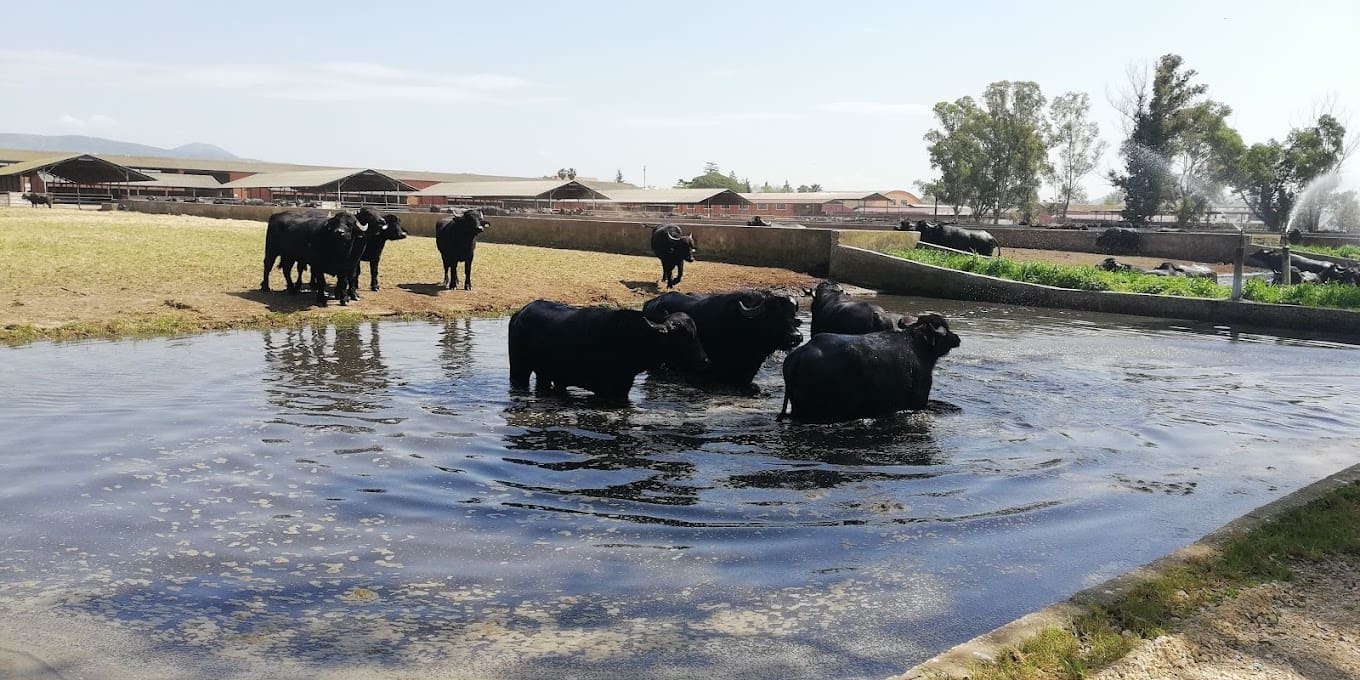
A producer visit makes the full chain visible. You see buffalo care, fresh milk, hot-water stretching and mozzatura. Then you taste the finished cheese at its source. No restaurant garnish can recreate that timing.
Experience the Dairy With VIP Winery Vacations
Key Takeaway: VIP guests follow the cheese from buffalo care through production to a fresh dairy tasting.
Our Campania itinerary includes access to a working buffalo dairy. Guests see how workers care for and milk the animals. They follow the milk into production and watch the curd stretch. The tasting happens where the cheese is made.
That experience separates food tourism from real culinary access. A restaurant can serve excellent imported cheese. A working Campania dairy shows why place, timing and trained hands matter to the finished cheese. Campania supplies both the product and its context.
Frequently Asked Questions
Key Takeaway: The label, cold chain, serving temperature and production place answer most practical questions.
What is mozzarella di bufala? It is a fresh pasta filata cheese made from water buffalo milk. Its soft center releases milky liquid when cut.
What does Mozzarella di Bufala Campana DOP mean? The full name identifies an Italian cheese protected by territory, milk and production rules. Approved territory, milk, production and packaging rules control its identity.
Is buffalo mozzarella made from American buffalo? No, producers use water buffalo milk. The DOP product uses Italian Mediterranean buffalo from approved areas.
What is the difference between buffalo mozzarella and regular mozzarella? Buffalo mozzarella tastes richer and feels juicier. Common fiordilatte uses cow’s milk and often cooks more predictably.
How do buffalo mozzarella and burrata differ? Burrata contains stracciatella and cream inside a cheese shell. Buffalo mozzarella has a moist, solid stretched-curd center.
How long does mozzarella di bufala last? Follow the producer’s printed use-by date and storage directions for food safety. For quality, eat it as soon as practical.
Should buffalo mozzarella be refrigerated? Follow the package and local food-safety guidance. If refrigerated, keep the cheese sealed in its original liquid. After opening, refrigerate it and eat it promptly.
What temperature should buffalo mozzarella reach before serving? Aim for 64 to 68 degrees Fahrenheit. The milk aroma and texture open as the refrigerator chill fades.
Should you rinse buffalo mozzarella? No, gentle draining is usually enough. Rinsing can remove surface flavor and alter the intended service.
Can you put olive oil on buffalo mozzarella? Yes, but taste the cheese before oil, herbs or tomatoes change its milk flavor. Choose an oil that supports the milk instead of burying it.
Can you use buffalo mozzarella on pizza? Yes, after careful draining and portioning reduce excess water on the pizza. Adding it later can reduce water release and protect aroma.
Where is Mozzarella di Bufala Campana DOP made? Approved areas include parts of Campania, Lazio, Puglia and Molise. Caserta and Salerno remain central production areas within the protected Campania territory.
Where can I taste buffalo mozzarella being made? Visit a working caseificio in Campania. VIP Winery Vacations includes a dairy experience in its regional journey.
What Campania Taught Me
Key Takeaway: Respect the milk, control temperature and remove anything that hides the cheese.
I started serving authentic buffalo mozzarella in 2004. Campania changed how I handled it. The dairy showed me that warmth, timing and restraint matter more than decoration. That lesson still guides every plate.
When someone asks what is mozzarella di bufala, I begin with buffalo milk and pasta filata. Then I explain DOP territory, fresh service and ingredient integrity. The final rule is shorter: respect the milk.
Inspired to travel deeper?
Explore the private wine, food, and producer-led journeys behind the stories on VIP Winery Vacations.
View Apulia


