
Wine Vacations vs. Wine Tours: What Is the Difference?
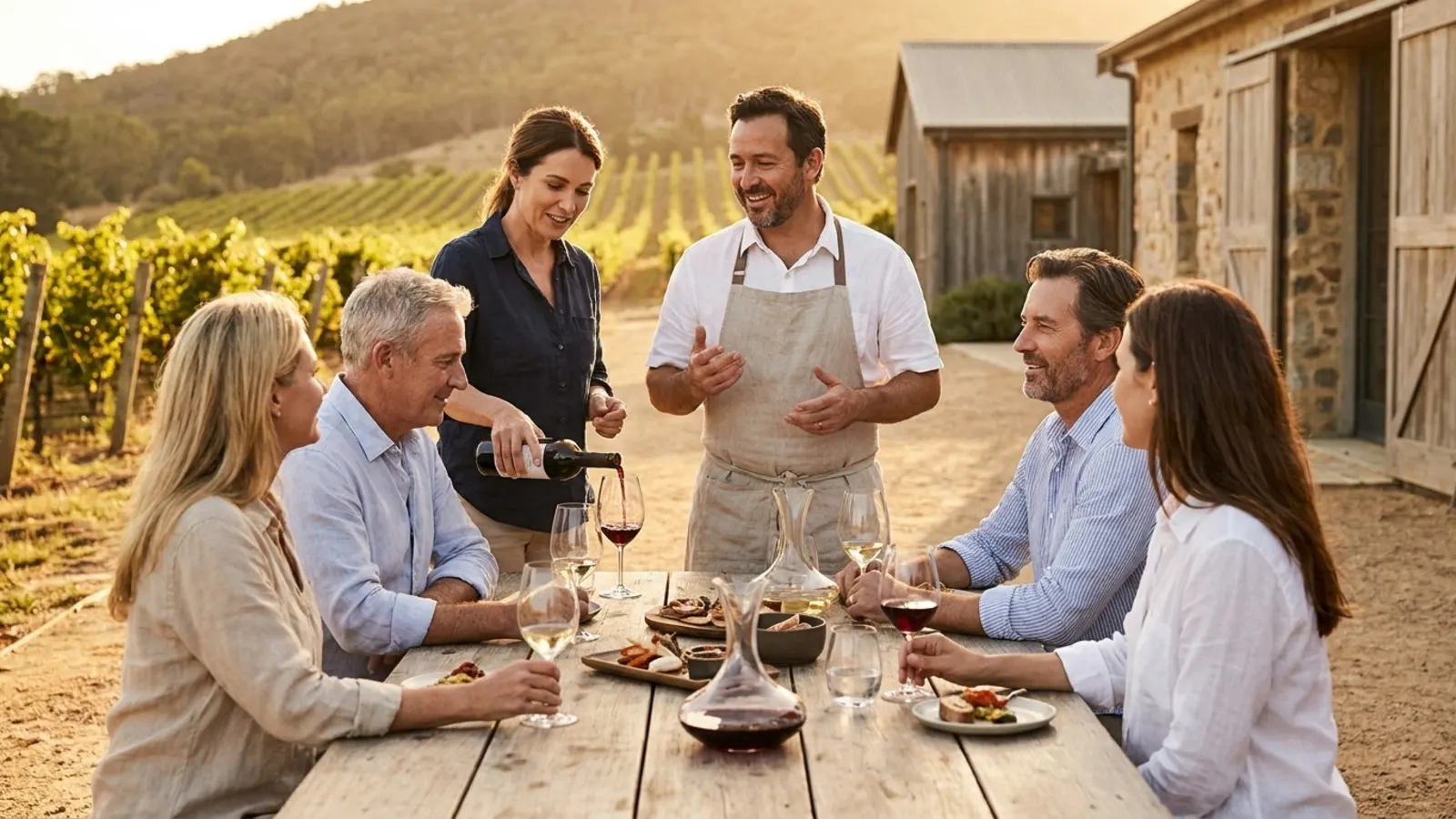
Wine vacations and wine tours can both include great wineries, but they are not the same kind of trip. A wine tour is usually one activity. A wine vacation builds several days around the region, its food, its people, and its wine.
That difference affects almost everything you feel during the trip. It changes the pace, transportation, meals, hotels, and how much planning you handle yourself. It also changes how much time you have to understand a place instead of simply visiting tasting rooms.
I have spent years visiting wineries and hosting guests in wine regions. The best format depends on what you want from your time. A one-day tour can be exactly right, while a multi-day trip can offer much more depth.
What Is a Wine Tour?
A wine tour can be a short excursion lasting several hours or a full day. A wine tour can include transportation, several winery visits, tastings, and sometimes lunch. A wine tour itinerary may start and end at the same hotel or meeting point.
For many travelers, that simplicity is the main advantage. You can add wine to a city stay, beach trip, or cultural vacation without rebuilding the rest of your plans. You also avoid driving after tastings when transportation is included.
A private guide can give a day tour more flexibility. Some private wine tours focus on one producer style, while others mix estates and family wineries. The wine day remains one part of the larger trip.
Who Is a Wine Tour Best For?
A day tour works well when your time is limited or when not everyone in your group wants several wine-focused days. It also fits first-time visitors who want to learn how a region feels before planning a longer return trip.
A wine tour may be the better choice in several common situations. Use this quick check before you book:
- One focused day among several sightseeing days
- Easy transportation between wineries
- A simple introduction to a region
- Flexibility for companions with different interests
Key Takeaway: Choose a wine tour when wine is one important activity inside a broader vacation, not the structure of the whole trip.
What Is a Wine Vacation?
A wine vacation is a multi-day trip built around a wine region rather than a single tasting day. Hotels, meals, transportation, winery visits, and free time work together as one plan. The region itself becomes the main destination.
That changes how you experience the wine. On wine vacations, you have time to connect a bottle with its village, food, weather, and local traditions. A tasting can lead into lunch, a market visit, or a slower afternoon in the same area.
Wine tasting vacations also reduce the number of separate decisions you make each day. Instead of finding a driver, dinner, hotel, and winery appointment one by one, those pieces can support each other. That continuity is often what makes the trip feel easier.
Why Wine Vacations Are More Than Several Winery Tours
Several winery visits on consecutive days do not automatically create regional depth. A wine vacation gives you enough time to understand why the place tastes the way it does. Food, lodging, local expertise, and pacing all matter.
The best wine vacations also leave room for life outside the tasting room. You might spend part of a day in a village, at a market, or over a long regional lunch. That space keeps the trip from becoming a race from glass to glass.
Key Takeaway: A wine vacation connects wineries, food, lodging, transportation, and local life into one multi-day experience.
Wine Tour vs. Wine Vacation: The Main Differences
The clearest way to compare the two formats is to look beyond the number of winery visits. Duration matters, but planning, pace, access, group size, and inclusions often matter more. Those details shape the actual experience.
| Comparison | Wine tour | Wine vacation |
|---|---|---|
| Typical length | Several hours to one day, depending on the tour | Several days or longer |
| Main purpose | Wine as one activity | Wine region as the trip focus |
| Planning | Planning centers on one excursion | Hotels, meals, routes, and visits coordinated |
| Transportation | Pickup and return in one area | Multi-day routing, transfers, drivers, and luggage |
| Pace | More compressed | More room for meals, towns, and downtime |
| Group size | Private or shared | Private, small group, or escorted |
| Winery access | Can include appointment-based visits | May include deeper hosted access |
| Meals | Sometimes lunch | Often part of the daily design |
| Lodging | Not part of the tour | Part of the experience |
| Flexibility | Flexible before and after the tour | Depends on how the full trip is designed |
Wine vacation packages can look similar on a sales page and still feel very different on the road. One may include most meals and private visits, while another leaves many details to the traveler. Compare the structure, not only the title.
Key Takeaway: The real comparison is not one day versus several days. It is activity-based travel versus a trip designed around a wine region.
The Real Difference Is How the Trip Is Built
A good trip has a rhythm. Winery appointments need to fit driving time, meals, check-ins, and the simple fact that people need breaks. A schedule that ignores those details can feel rushed even when the wineries are excellent.
This is where itinerary pace and flexibility become more important than the number of stops. Three wineries may be too many on a day with long drives and lunch. Two can feel full when visits include cellar time and conversation.
Itinerary Pace and Flexibility
A realistic wine tour itinerary protects time for the parts nobody sees on a brochure. Guests need time to arrive, use restrooms, taste without rushing, buy wine, and get back into the vehicle. Those small minutes add up across a day.
Multi-day travel gives you more ways to balance that pace. An itinerary may pair a winery morning with lunch and a free afternoon. Another day can carry the deeper cellar visit or cultural stop.
Transportation and Logistics
A day tour usually has a simple transportation loop. A multi-day wine vacation may involve airport transfers, hotel changes, luggage, regional drivers, and routes between rural areas. That transportation and logistics work can shape the whole trip.
Distance on a map can be misleading in wine country. Narrow roads, village traffic, harvest activity, and mountain routes can slow a short-looking drive. Good planning leaves margin rather than filling every minute.
Food, Culture, and the Region
Food and wine tours work best when meals are part of the region, not breaks between tastings. Wine makes more sense beside the local food that grew up around it. A long lunch can teach as much about a place as a cellar visit.
That is why regional depth matters. Wine is tied to agriculture, weather, family traditions, and local cooking. When the trip gives those pieces time to connect, the region becomes easier to understand.
Key Takeaway: The quality of a wine trip depends on how well pace, routes, meals, culture, and winery time work together.
Winery Access: A Reservation Is Not the Same as a Relationship
I have learned that an appointment and a relationship can create very different winery visits. A reservation gets you through the door. A relationship can change who welcomes you, how long you stay, and what happens once you arrive.
That distinction is what I want travelers to understand. A wine vacation changes when relationships, regional immersion, and hosted access shape the itinerary. I have seen that difference many times with producers I know personally.
What Relationships Can Change
At wineries where a relationship exists, the welcome can start with the owner rather than a front desk. The visit may move from the tasting room into a cellar, family table, or longer conversation. None of that should be promised as a guarantee, because hospitality depends on the day and the producer.
The value is not about collecting perks. It is about context and trust. You hear why a family farms a certain way, what changed in a difficult vintage, or why one wine matters to them.
How Wineries Are Selected
An operator should be able to explain why each stop belongs in the trip. At VIP Winery Vacations, our approach to how wineries are chosen for wine tours starts with fit, not a long list of famous names. The producer, route, group, and pace all need to make sense together.
This is also where private winery tours can differ from public tastings. A private appointment can offer more focus, but privacy alone does not create depth. The people and the purpose of the visit still matter.

Relationship-Led Wine Travel
I wrote more about this difference in The Truth About Wine Vacations. That article focuses on the feeling of being welcomed into relationships. This article uses that idea to help you compare travel formats.
Relationship-led access should never become a vague luxury claim. Ask who actually knows the producers and who will be with you during the trip. Specific answers are more useful than words like exclusive.
Key Takeaway: Deeper winery access comes from the people behind the itinerary, not from adding more tasting-room appointments.
Hosted Wine Vacation vs. Planning It Yourself
Planning your own wine trip gives you control. You choose the hotels, restaurants, drivers, wineries, and free time. For travelers who enjoy research and logistics, that freedom can be part of the fun.
A hosted trip changes the workload. Someone else can coordinate appointments, route timing, meal planning, transportation, and changes during the trip. The value is often less about being guided every minute and more about not carrying every detail yourself.
The Host Matters
The person designing the trip can affect every day. A host with local knowledge can connect a winery visit to the food, village, or next stop. That is the idea behind chef-hosted culinary wine tours.
For me, hosting also means watching the pace of the table and the group. A schedule may look perfect on paper and still need an adjustment after a long lunch. Experience helps you make that call without turning it into a problem for guests.
Group Size Changes the Experience
Group size affects vehicles, restaurant tables, hotel choices, and the wineries that can welcome you. Small group wine tours can reach places that are harder for a large coach to use. Private wine tours can offer more control because the itinerary can be shaped around one party’s priorities.
The question is not whether smaller is always better. Ask what the group size allows the operator to do. Our guide to what small group travel actually means explains that practical limit in more detail.

Key Takeaway: A hosted wine vacation trades some DIY control for coordinated logistics, local judgment, and less planning during the trip.
Which Is Better for You: A Wine Tour or Wine Vacation?
Neither format wins for every traveler. The better choice depends on how much of your trip you want built around wine, food, and the region. Your available time matters just as much as your interest level.
A short tour can be the smarter choice in a city-focused vacation. A multi-day trip can be better when the wine region itself is the reason you are traveling. The goal is to choose the structure that matches your priorities.
Choose a Wine Tour When…
Choose a day tour when you want wine to fit around other plans. It works well with museum days, beach time, family visits, or a first trip to a major city. It also gives mixed-interest groups an easy way to share one wine day.
When researching what to look for in a wine tour, start with transport, pace, guide quality, winery fit, and group size. Do not judge only by the number of tasting stops. A shorter list can produce a better day.
Choose a Wine Vacation When…
Choose a multi-day trip when you want wine, food, and regional life to shape most of the schedule. Wine vacations fit travelers who value depth, hosted access, slower meals, and less daily planning. They also make sense when the region matters more than checking off several cities.
Wine tasting vacations can still include free time and non-wine activities. The difference is that those parts support the region instead of competing with it. A good plan leaves room for both.
Do You Need to Be a Wine Expert?
No. A well-hosted wine trip should make wine easier to understand, not more intimidating. You do not need to identify every grape blind or know every vintage before you arrive.
Curiosity is enough. Ask questions, taste at your own pace, and notice how the wine changes with food and place. The right host should help without turning the trip into a classroom exam.
Key Takeaway: Pick the format that matches your time, interests, and desired depth, not the label that sounds more impressive.
How to Compare Wine Tour Companies and Wine Vacation Packages
When comparing top wine tour companies offering vacation packages, start with the trip structure, not brand names. The best wine tour company is the one that clearly matches your priorities.
Look for transparent answers about hosts, group size, access, meals, hotels, transport, and terms. Those details tell you more than a polished itinerary headline.
Compare the Host and Credentials
Find out who designs the trip and who actually travels with the group. Ask about direct experience in the region and how the company builds winery relationships.
Professional credentials can add another trust signal. IATAN accreditation is one recognized credential for U.S. travel agencies, but it is not a quality guarantee.
Compare Access, Group Size, and Pace
Ask whether winery visits are public, private, owner-hosted, or mixed. Then ask for the maximum group size and the typical number of winery stops per day.
This is especially important when comparing luxury wine tours with escorted trips. A higher price should connect to something you can identify, such as access, hosting, hotels, meals, or smaller groups.
Compare Inclusions and Total Value
Read the inclusions line by line. Check hotels, meals, wine, tastings, transport, transfers, gratuities, and optional activities. Compare pricing inclusions and total value before package prices.
A cheaper package can become more expensive once you add missing meals and transport. For a cost comparison, see are luxury wine tours worth it? It shows how to compare those costs.
Check Terms Before Paying
Read cancellation, refund, payment, and insurance terms before sending a deposit. The Federal Trade Commission travel guidance also advises travelers to research sellers and review offer details.
A company should be able to answer questions without pressure. Keep a copy of the terms and inclusions you agreed to.
Before you book, compare five points. Write the answers down so you can compare packages side by side:
- Who designed the trip, and who hosts it?
- What is the real group-size limit?
- What type of winery access is included?
- Which meals, hotels, transport, and gratuities are covered?
- What are the payment, cancellation, and refund terms?
Key Takeaway: Wine travel companies should make the important details easy to verify before you pay, from the host to the refund terms.
Want a practical way to compare what a hosted wine trip includes? The VIP Insider Guide gives you another way to organize the decision.
Choose the Experience, Not Just the Label
A wine tour can be perfect when you want one focused day. A wine vacation makes more sense when you want the region to shape several days of food, wine, lodging, and local life. Both can be excellent when the structure matches the traveler.
The name on the sales page matters less than the plan behind it. Wine vacations work best when the trip connects access, pace, people, and place in a way you could not get from separate reservations. Choose the experience that gives your limited travel time the meaning you want.
Inspired to travel deeper?
Explore the private wine, food, and producer-led journeys behind the stories on VIP Winery Vacations.
View Journeys


