Virginia Wine Country: A Serious Wine Destination—and a Different Way to Experience It

Virginia wine country deserves to be treated as a real wine destination, not as a convenient add-on to a Washington, D.C., or Charlottesville weekend. The state has roughly 300 wineries across 10 wine regions and eight American Viticultural Areas (AVAs). Food, farms, mountains, history, and small towns shape the travel experience as much as tasting rooms do.
That mix is what makes the trip interesting. A serious Virginia wine getaway is not about collecting the highest possible number of winery stops. It is about choosing a region, understanding what grows there, leaving room for a good meal, and paying attention to the people and places around the wine.
As a chef and wine-travel host, that is the lens I use when I look at any wine destination. The bottle matters, but the region makes more sense when the food, agriculture, history, hospitality, and pace of the day all connect.
Key Takeaway: Virginia works best as a wine-and-place trip. Give the wineries real time. Leave just as much room for regional food, historic landscapes, farms, small towns, and conversations that make a bottle easier to remember after you get home.
Is Virginia wine country worth visiting for a serious wine trip?
Yes. Virginia wine country is worth a dedicated trip. It has enough scale and diversity to fill several days without repeating the same tasting-room experience. Virginia Wine describes the Commonwealth as 10 wine regions and eight AVAs, while statewide tourism resources point travelers toward roughly 300 wineries spread across very different landscapes.
The attraction is not simply the winery count. The Virginia wine regions, from Northern Virginia and the Shenandoah Valley to Central Virginia, the Blue Ridge, and the Chesapeake Bay, do not create one uniform experience. Elevation, weather, soils, local food culture, and the producers themselves change the feel of each region. Choose a geographic base instead of trying to cross the state collecting famous names.
Virginia also rewards travelers who are still forming their idea of what East Coast wine can be. Cabernet Franc, Petit Verdot, Petit Manseng, Viognier, Chardonnay, Merlot, Cabernet Sauvignon, and Norton are among the grapes you will encounter. That range gives a curious traveler more to compare than a single signature variety.
Virginia Wine History Is Deep, but the Modern Story Matters More
Virginia’s wine ambitions reach back to colonial America, and Thomas Jefferson’s experiments at Monticello remain part of the state’s wine story. Those early efforts were difficult, and the modern industry did not truly gather momentum until the late twentieth century.
Norton gives that history a distinctly American thread. Virginia Wine identifies Norton as a native grape first cultivated in Richmond in the 1820s. Today it sits beside European varieties rather than replacing them. That balance is a useful way to think about Virginia wine in general. History is present, but the more useful question is what contemporary growers and winemakers are doing now.
That balance keeps the history from becoming a museum piece. Spend part of a day thinking about early American viticulture. Then taste Cabernet Franc, Petit Manseng, Viognier, or Petit Verdot from a modern producer still learning what a particular site can do best. The story is still developing.

What Virginia Wine Grapes Taste Like
There is no single flavor profile that defines every Virginia winery, and that is part of the appeal. The state has more than 30 grape varieties planted, with familiar grapes sharing space with varieties that have become especially important to Virginia growers.
Cabernet Franc is one of the reds to know because it can show fruit, freshness, herbs, and savory character without needing the weight of a bigger Cabernet Sauvignon. Petit Verdot, traditionally a blending grape in Bordeaux, has also found a more visible role in Virginia. Among whites, Viognier and Petit Manseng show how much range Virginia can offer, while Chardonnay remains an important benchmark.
Norton belongs in the conversation for a different reason. It connects the state’s nineteenth-century wine history to the current generation of producers exploring an American grape on its home ground. Even if Norton is not the wine you usually order, tasting it in Virginia gives you a reference point you cannot get from a generic international wine list.
The practical lesson is to taste comparatively. Rather than asking for the single “best Virginia wine,” compare the same grape from different producers or taste several grapes within one region. That is where a Virginia winery tour becomes educational without becoming formal or intimidating.

What should you include in a Virginia wine country trip besides wineries?
Include good meals, local agriculture, historic places, a comfortable place to stay, and enough unscheduled time to enjoy the landscape. Virginia’s official wine-country guide connects the region with restaurants, farms, cheeses, oysters, distilleries, cider, historic towns, and outdoor stops, and those pieces give the wine more context.

Think of Virginia wine country as a place to explore, not a tasting checklist.
- Two meaningful winery visits: Give each producer enough time for a real conversation.
- One proper regional meal: Sit down long enough to connect the food with the wines.
- One local stop beyond wine: Choose a farm, historic site, cider producer, or small town.
That slower structure turns a Virginia wine getaway into a trip with more context and less rushing.
Food should be part of the itinerary, not something squeezed between tastings. A long lunch can reset the pace of the day and show you how local ingredients and regional cooking change the way a wine feels at the table. The same principle applies to farm visits, orchards, markets, and producers working outside wine.
History also changes the character of the trip. Around Central Virginia, for example, wine travel sits close to places connected with Jefferson and other chapters of early American history. In Northern Virginia, historic towns and rural landscapes create a different rhythm. You do not need to turn the vacation into a history lesson, but ignoring the setting misses part of what makes Virginia different from a tasting-room-only itinerary.
Distilleries and cider can fit too, especially for a group with mixed interests, but they should not become a race to add more alcohol stops. The better use is variety. Try one winery morning, a proper meal, a historic or agricultural stop, and enough room to enjoy where you are.
Plan It Yourself or Travel Hosted?
Virginia is very possible to plan independently. The official Virginia Wine visitor tools can help you choose a region, find wineries, and build a route. Travelers who enjoy research may prefer that control. If you are comparing Virginia winery tours or building the trip yourself, start with one area and keep the route compact.
The difference between DIY planning and a hosted trip is not simply transportation. Many Virginia wine tours focus on moving you from tasting to tasting. A broader hosted trip connects lodging, meals, winery time, regional context, and the pace of several days. That is similar to the distinction between wine vacations vs. wine tours.
If you want help evaluating an operator, start with our guide to how to choose a wine tour company. It covers practical questions about hosts, winery relationships, logistics, meals, and what is actually included.
If group size matters to you, see what is considered small group travel before you book.

Whichever model you choose, keep the geography realistic. Virginia is a large state, and “Virginia wine country” is not one compact neighborhood. Pick a base, cluster visits, and protect time for meals and the unexpected instead of building an itinerary that looks efficient only on a map.
The Best Itinerary Rhythm Is Usually Slower Than You Think
A wine day gets crowded quickly. Tastings run long, rural drives take time, lunch deserves more than 45 minutes, and a conversation with a winemaker or owner can become the best part of the visit. That is why the useful planning question is not how many wineries you can physically fit into a day.
It is how many wineries should you visit in a day without turning the experience into a checklist. For a relationship-driven wine trip, two meaningful winery visits can leave far more room for context than four short stops. A third can work when distances are short and appointments are structured, but more is not automatically better.
This matters in Virginia because the region itself is part of the reason to go. If every hour is assigned to a tasting, you lose the meal, the view, and the historic town. You also lose the farm stand or extra conversation that makes the day feel like travel rather than logistics.
What Marcus and Jamie Add to a Wine Trip
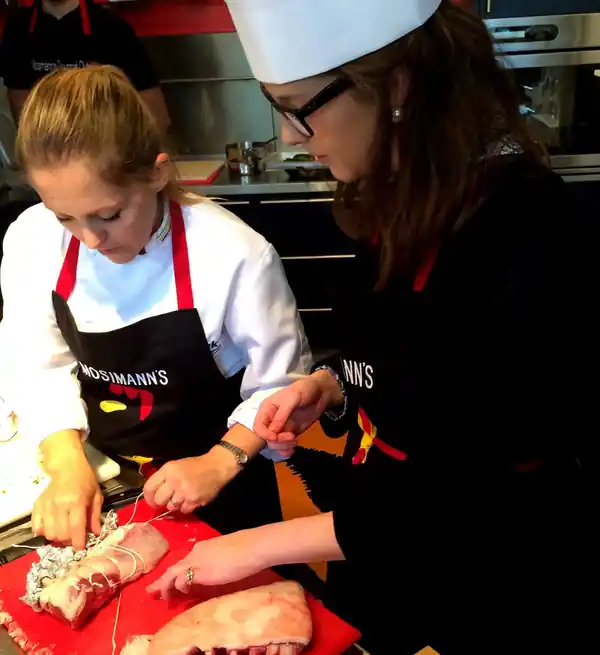
When Jamie and I build wine travel, the goal is not to attach a chef to a standard tasting schedule. The idea behind our chef-hosted culinary wine tours is to connect wine with food, producers, hospitality, and the decisions that shape the day.
My background as a working chef changes the questions I ask. I want to know what belongs on the table with the wine and where the ingredients come from. I also want to know whether the meal fits the route and whether the schedule gives guests enough time to understand a place. That perspective matters in Virginia because the state’s food and agricultural identity can carry as much of the trip as the winery list.
Relationships matter for the same reason. A reservation tells you when to arrive. A real producer relationship can change who talks with you, what gets explained, and how much context a visit has. I have written before about relationship-led winery visits, and the principle applies anywhere. Access is meaningful when it creates a better conversation, not when it becomes a vague luxury claim.
That does not mean every Virginia trip needs a host. It means travelers should know what they are buying. If a company says it offers insider access, ask who has the relationship and what that relationship changes. Then ask whether the itinerary would still be valuable if the special moment did not happen.
Virginia Works Best as a Wine-and-Place Trip
Virginia wine country is compelling because the wine does not sit by itself. The state gives you a legitimate wine conversation, a deep agricultural setting, historic context, good food, mountain and countryside scenery, and enough regional variation to build very different trips.
For a first visit, choose one part of the state and go deeper. Use official planning resources to understand the wineries and regions, then add restaurants, lodging, historic stops, and other local experiences. That approach creates a trip with structure without making every day feel over-scheduled.
A serious wine trip should leave you knowing more than which bottles you liked. You should understand something about the land, the grapes, the people, and the food that made the region worth visiting. Virginia can deliver that when you give it enough time.
If that is the kind of wine travel you want, explore current VIP Winery Vacations journeys. See how Marcus and Jamie build food, wine, producers, and hospitality into the same experience.
Inspired to travel deeper?
Explore the private wine, food, and producer-led journeys behind the stories on VIP Winery Vacations.
View Valle